
Top 10 TV Shows You Must Watch

Television delivers stories that captivate, inspire, and entertain, from heart-pounding dramas to clever comedies. This list of the top 10 TV shows celebrates series that have left a lasting mark on audiences worldwide. Each entry dives into the genre, creators, key cast, a detailed synopsis, reasons to watch, episode count, and where to stream, offering a deeper look at why these shows are unmissable. Dive in to find your next obsession! 1. Breaking Bad 2. The Sopranos 3. The Wire 4. Succession 5. Stranger Things Read Article :- Top 10 Netflix Movies to Watch That You Can’t Miss 6. The Office (UK Version) 7. Better Call Saul 8. Chernobyl 9. The Mandalorian 10. Fleabag Conclusion From the intense crime saga of Breaking Bad to the witty charm of Fleabag, these series deliver unforgettable stories and characters. Available on platforms like Max, Netflix, and Disney+, they’re perfect for anyone craving drama, laughter, or adventure.
Solo vs. Group Travel: Which One is Right for You?

Traveling opens a world of adventure, from exploring vibrant cities to soaking in serene landscapes. When planning a trip, one of the earliest choices you’ll need to make is deciding between traveling alone or with others. Both solo and group travel offer unique experiences, each with its own set of benefits and challenges. Your choice depends on your personality, travel goals, and preferences. In this guide, we’ll explore the pros and cons of both travel styles, complete with a comparison table, to help you decide which is best for your next journey. Understanding Solo Travel Solo travel means embarking on a journey alone, without companions or an organized group. It’s about embracing independence and crafting a trip that’s entirely your own. Whether you’re hiking through a national park or wandering the streets of a foreign city, solo travel is all about freedom and self-discovery. Advantages of Solo Travel Challenges of Solo Travel Understanding Group Travel Group travel involves exploring with others, such as friends, family, or an organized tour group. It could be a guided trip through a new country, a road trip with buddies, or a family vacation. Group trips emphasize shared moments and usually stick to a set schedule. Advantages of Group Travel Challenges of Group Travel Solo vs. Group Travel: Comparison Table To make your decision easier, here’s a concise comparison of solo and group travel: Aspect Solo Travel Group Travel Flexibility Full control over itinerary and pace. Limited; must follow group plans or compromise. Companionship Potential loneliness but easier to meet locals or travelers. Built-in companionship with friends, family, or tour group. Safety Requires extra caution and research. Safer due to group presence and support. Cost Higher due to single supplements; full budget control. Lower costs through shared expenses and group discounts. Planning You handle all logistics, which can be overwhelming. Pre-planned itineraries reduce planning stress. Personal Growth Encourages independence and self-discovery. Focuses on shared experiences; less emphasis on individual growth. Spontaneity High; easy to change plans on a whim. Low; changes require group agreement. Read Article :- 10 Famous Budget Destinations That Feel Like a Million Bucks Factors to Consider When Choosing To pick the right travel style, reflect on these key factors: Tips for Solo Travelers Tips for Group Travelers Which Travel Style Suits You? The choice between solo and group travel hinges on what you want from your journey. If you crave freedom, personal growth, and spontaneous adventures, solo travel is likely your best fit. If you value companionship, safety, and structured plans, group travel may be the way to go. You might even experiment with both—try a short solo trip or a small group tour to see what feels right. Conclusion Solo and group travel each offer distinct rewards. Solo travel empowers you to explore on your terms, fostering independence and self-discovery. Group travel creates shared memories and a sense of community, with the added bonus of cost savings and structure. By considering your personality, budget, and travel goals, you can choose the style that best suits your next adventure. Whether alone or with others, the world is ready for you to explore its wonders.
Top 10 Family-Friendly Travel Destinations in the USA: A Parent’s Ultimate Guide

Planning a family vacation is like trying to herd a pack of wild, giggling monkeys while keeping your wallet happy and your sanity intact. As a parent who’s navigated tantrums in theme park lines, lugged strollers through airports, and discovered the joy of watching my kids’ faces light up at a new adventure, I know the USA is bursting with places that make everyone—toddlers, teens, and parents—smile. Discover the top 10 family-friendly getaways that perfectly mix adventure, natural beauty, rich history, and relaxing experiences—guaranteed to create unforgettable memories. From iconic theme parks to hidden coastal gems, here’s your roadmap to an epic family getaway, packed with tips to make it smooth and affordable. 1. Orlando, Florida: The Magic of Theme Parks Orlando is the undisputed champ of family vacations, thanks to its world-class theme parks. Walt Disney World is a dreamland with four parks: Magic Kingdom, where little ones meet Mickey and ride Dumbo; EPCOT, with global pavilions and fireworks; Hollywood Studios, Explore Star Wars: Galaxy’s Edge for intergalactic excitement, and venture into Animal Kingdom for thrilling safari experiences and the otherworldly attractions of Pandora. Universal Orlando Resort wows with The Wizarding World of Harry Potter—think butterbeer, wand shops, and thrilling rides like Hagrid’s Motorbike Adventure. For younger kids, LEGOLAND Florida in Winter Haven (an hour away) offers gentle coasters, a water park, and LEGO-building zones. Why It’s Great: Parks are built for families, with stroller rentals, baby care centers, and kid-friendly menus.Must-Do Activities: Watch Magic Kingdom’s fireworks, ride the Hogwarts Express, or splash at LEGOLAND’s water park.Pro Tips: Visit in spring (March-May) or fall (September-November) for milder weather and shorter lines. Book multi-day tickets or hotel packages for savings. Carry snacks and a water bottle—park food costs a lot.Insider Note: Disney’s Genie+ app helps skip lines, but reserve Lightning Lane passes early for top rides like Seven Dwarfs Mine Train. 2. San Diego, California: Sunshine and Smiles San Diego feels like a warm, sunny hug for families. The San Diego Zoo in Balboa Park is a global icon, housing 3,500+ animals like pandas and polar bears. Children enjoy the Skyfari tram and hands-on exhibits. Balboa Park’s 17 museums, like the Fleet Science Center with hands-on experiments, keep everyone entertained. Coronado Beach is perfect for sandcastles and safe swimming, while La Jolla Cove offers free seal-spotting. SeaWorld San Diego blends dolphin shows with coasters like Manta, and the USS Midway Museum lets kids climb into fighter jet cockpits. Why It’s Great: Year-round mild weather and a mix of free and paid attractions suit all budgets.Must-Do Activities: Feed giraffes at the zoo, boogie board at Coronado, or explore the Midway’s flight deck.Pro Tips: Get a Go San Diego Pass for discounts. Visit in winter or early spring for quieter beaches. Pack a picnic for Balboa Park’s grassy areas.Insider Note: Free tide pools at Point Loma’s Cabrillo National Monument are a natural adventure kids love. 3. Yellowstone National Park: Nature’s Playground Yellowstone National Park (Wyoming, Montana, Idaho) is a bucket-list destination for families who love the outdoors. Famous for Old Faithful geyser and colorful hot springs, it’s like a real-life science lesson. Easy trails like Fairy Falls lead to waterfalls, and wildlife—bison, elk, bears—keeps kids glued to binoculars. The Junior Ranger Program engages kids with scavenger hunts and badges. Yellowstone Lake offers boat tours and fishing, while campgrounds provide stargazing under pristine skies. Why It’s Great: Affordable ($35 per car entry) and educational, with jaw-dropping scenery.Must-Do Activities: Watch Old Faithful erupt, hike Mystic Falls Trail, or join a ranger-led wildlife talk.Pro Tips: Visit in May or September for fewer crowds. Book lodges or campsites early.Dress in layers and wear durable shoes to handle changing weather conditions. Insider Note: Pack a picnic—park dining is limited and costs a fortune. 4. Washington, D.C.: History Meets Fun Washington, D.C., is a budget-friendly gem with free museums and iconic landmarks. The National Mall is home to incredible Smithsonian institutions, including the National Air and Space Museum—where kids can experience a moon rock and test out flight simulators—and the National Museum of Natural History, featuring towering dinosaur fossils and a vibrant butterfly exhibit. Don’t miss the free-entry National Zoo, where you’ll find giant pandas and a fun kids’ farm. Landmarks like the Lincoln Memorial and Washington Monument combine historical significance with plenty of room to roam. In spring, the cherry blossoms around the Tidal Basin create a stunning scene, especially when enjoyed from a paddleboat. Why It’s Great: Free attractions let you splurge on extras like ice cream or souvenirs.Must-Do Activities: Explore Smithsonian exhibits, visit pandas, or paddleboat during cherry blossom season.Pro Tips: Visit in spring (March-April) or fall. Use the Metro for easy travel. Book hotels with free breakfast.Insider Note: Catching a planetarium show at the Air and Space Museum is a relaxing break after lots of walking. 5. Anaheim, California: Disneyland’s Cozy Charm Anaheim’s Disneyland Resort is a more manageable alternative to Orlando. Disneyland Park charms with classics like It’s a Small World and Tiana’s Bayou Adventure, while Disney California Adventure thrills with Incredicoaster and Cars Land. Knott’s Berry Farm offers coasters and a Snoopy-themed area for younger kids. Huntington Beach nearby offers calm waters, perfect for a relaxing family beach outing. Why It’s Great: Smaller scale makes it easier for families with little ones.Must-Do Activities: Ride Radiator Springs Racers, meet Mickey Mouse, or surf at Huntington Beach.Pro Tips: Visit in fall or winter to avoid crowds. Book Disneyland packages with tickets. Bring sunscreen.Insider Note: Knott’s boysenberry pie is a delicious treat for all ages. Read Our Article : 10 Famous Budget Destinations That Feel Like a Million Bucks 6. Gatlinburg, Tennessee: Smoky Mountain Magic Gatlinburg, at the edge of Great Smoky Mountains National Park, blends nature and small-town charm. The park’s free trails, like Grotto Falls, are kid-friendly, with deer and bears to spot. Dollywood in Pigeon Forge has coasters, live music, and a splash zone. Gatlinburg SkyLift Park offers a chairlift and suspension bridge with epic views. Ripley’s Aquarium of the Smokies
AI’s Next Leap: How Artificial General Intelligence Is Transforming Our World in 2026

Artificial General Intelligence, commonly known as AGI, is no longer just a theoretical concept discussed in research circles. In 2026, artificial intelligence development has accelerated significantly, with advanced reasoning systems, autonomous AI agents, and multimodal technologies reshaping industries across the globe. Unlike traditional AI systems that specialize in specific tasks, AGI represents the ambition to build machines capable of learning, reasoning, adapting, and solving problems across multiple domains in a human-like manner. Leading research organizations such as OpenAI, Google DeepMind, and Anthropic are investing heavily in the development of systems that move closer to this goal. Although full AGI has not yet been achieved, the foundations are evolving rapidly. Understanding this progress is essential for businesses, policymakers, and professionals who want to stay prepared for the next phase of technological advancement. Understanding Artificial General Intelligence Artificial General Intelligence refers to systems that can perform any intellectual task that a human can accomplish. These systems would not be limited to one domain or pre-defined skill set. Instead, they would demonstrate flexible learning, reasoning across contexts, and the ability to transfer knowledge from one area to another. Current AI technologies operate within structured boundaries. They can generate content, analyze data, and recognize patterns efficiently, but they rely heavily on training data and programmed objectives. AGI aims to move beyond that limitation by enabling machines to think, adapt, and generalize in unfamiliar environments. The defining characteristic of AGI is adaptability. A true AGI system would be capable of diagnosing medical conditions, writing strategic business plans, conducting scientific research, and solving abstract problems using a single integrated intelligence framework. How Close Are We to AGI in 2026 The question many experts now ask is how close the world is to achieving AGI. The answer is complex and depends on technological, ethical, and scientific breakthroughs. Advanced Reasoning Capabilities Modern AI models demonstrate stronger reasoning abilities than earlier systems. They can break down complex problems into structured steps and generate logical outputs that appear increasingly sophisticated. However, these systems still struggle with consistent common-sense reasoning and deep contextual understanding. While progress is evident, current systems do not yet demonstrate independent comprehension or true cognitive awareness. Multimodal Intelligence AI systems in 2026 can process and generate text, images, code, audio, and structured data within the same model architecture. This multimodal capability marks a significant advancement toward generalization. Despite this progress, these systems still depend on large training datasets and predefined frameworks. They do not independently learn new concepts without guidance or retraining. Autonomous AI Agents Another important milestone is the rise of autonomous AI agents. These systems can perform multi-step workflows, conduct research, analyze data, and execute digital tasks with limited human supervision. Although this signals greater autonomy, these systems remain goal-oriented tools. They do not possess self-driven curiosity or intrinsic motivation, which are key traits of general intelligence. Artificial General Intelligence vs Generative AI Many people confuse AGI with the generative AI systems that are widely used today. Understanding the difference is essential for clarity. What Generative AI Does Generative AI systems create outputs based on patterns learned from training data. They can produce articles, generate images, compose music, and write code. These systems perform exceptionally well within specific domains, but they operate under defined constraints and require human prompts to function effectively. They simulate intelligence but do not possess independent reasoning across unrelated tasks. What AGI Would Represent AGI would demonstrate the ability to learn new skills without retraining. It would transfer knowledge between domains and adapt to unfamiliar situations without explicit instructions. Unlike generative AI, AGI would not be limited to producing outputs based on pattern recognition alone. In essence, generative AI generates responses, while AGI would demonstrate generalized intelligence. The Potential Impact of AGI Across Industries Even without full AGI, advancements toward general intelligence are already influencing multiple sectors. Healthcare AI-driven systems are accelerating diagnostics and drug discovery processes. By analyzing medical records, genetic data, and clinical research, intelligent systems help identify patterns that may otherwise go unnoticed. As development continues, more adaptive systems could significantly improve treatment precision and early detection rates. Education Adaptive learning platforms personalize educational content based on student performance and learning style. Future AGI systems could provide comprehensive tutoring support while also assisting educators with curriculum planning and administrative tasks. Business and Finance Businesses are integrating intelligent systems into forecasting, supply chain optimization, and risk management. Advanced systems can analyze global market trends and provide predictive insights that support strategic decision-making. Transportation and Logistics Autonomous mobility solutions continue to evolve, with improved decision-making capabilities in complex environments. Intelligent optimization of logistics networks also reduces operational costs and environmental impact. Read This :- AI-Powered Vibe Coding: Software Development for Non-Coders. Challenges on the Path Toward AGI While opportunities are significant, the journey toward AGI involves critical challenges that must be addressed responsibly. Alignment and Ethical Development Ensuring that advanced AI systems align with human values is one of the most pressing concerns. Systems trained on biased or incomplete data could amplify inequalities. Transparent development practices and diverse datasets are essential for responsible innovation. Workforce Transformation As automation expands into complex knowledge-based tasks, workforce disruption may occur across industries. Governments and organizations must invest in reskilling initiatives and future-focused education programs to prepare employees for evolving job roles. Data Privacy and Security More advanced intelligence systems require access to extensive data. Protecting personal and organizational information through robust regulatory frameworks is essential for maintaining trust and security. Governance and Global Cooperation International collaboration is necessary to establish safety standards and regulatory guidelines. Responsible innovation requires cooperation between technology companies, academic institutions, and policymakers. Preparing for the AGI Era Preparing for a world shaped by increasingly capable AI systems requires proactive action. Investing in digital literacy and continuous learning will help individuals remain competitive in evolving job markets. Organizations must prioritize ethical development practices and transparent AI governance frameworks. Public awareness and informed discussions will also play a critical role in shaping policies that balance innovation with safety. By focusing
Cloud Storage vs Local Storage: Which Storage Solution Is Better in 2026?
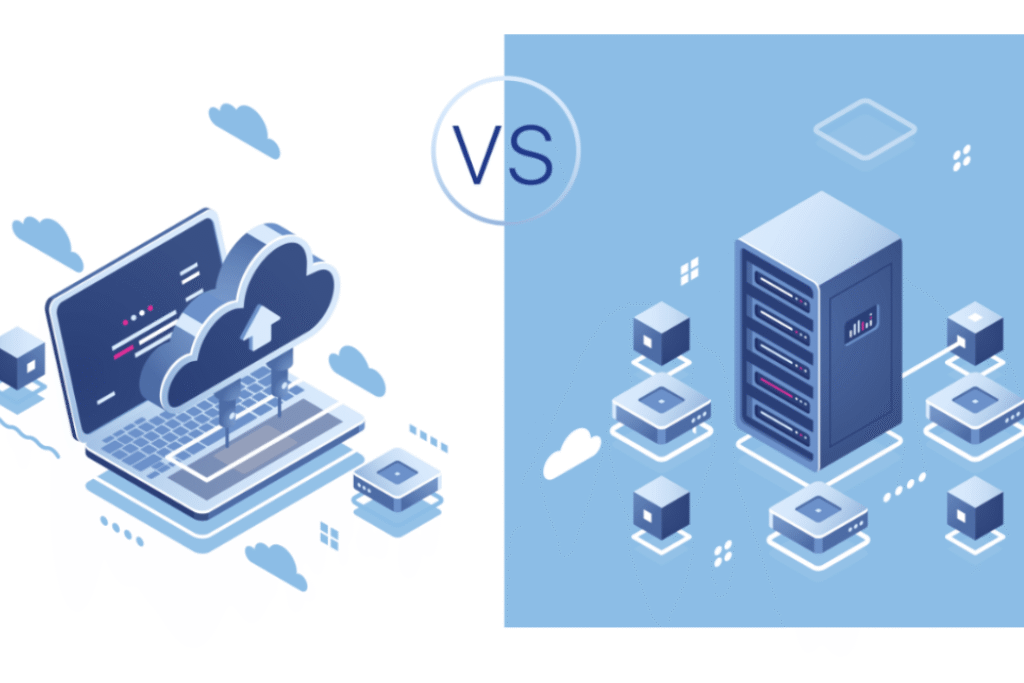
In 2026, digital data is no longer limited to documents and photos. People now manage AI-generated content, high-resolution videos, cloud applications, smart device backups, and remote work files every single day. From individuals storing personal memories to companies handling operational databases, data has become one of the most valuable digital assets. Global data creation continues to grow at an unprecedented pace as artificial intelligence tools, automation platforms, remote collaboration systems, and connected devices generate massive amounts of information. Because of this rapid expansion, choosing the right cloud storage and local storage solution is no longer just a technical choice, it is a long-term digital strategy. Most users today evaluate two major storage approaches: cloud storage and local storage. Cloud storage focuses on accessibility and flexibility through internet-based systems, while local storage emphasizes ownership, performance, and physical control. Understanding how these solutions work in today’s AI-driven environment helps users protect data while maintaining efficiency and scalability. This guide explains the differences between cloud storage and local storage in 2026 and helps you decide which solution best supports your workflow. Understanding Cloud Storage in 2026 What is Cloud Storage? Cloud storage allows users to save files on remote servers managed by technology providers instead of storing data directly on personal devices. Files are uploaded through the internet and synchronized automatically across smartphones, computers, tablets, and even smart workspaces. In 2026, cloud storage has evolved beyond simple file hosting. Modern platforms integrate artificial intelligence for automatic organization, smart search capabilities, predictive backups, and seamless collaboration across global teams. Businesses increasingly operate within cloud ecosystems where documents, communication tools, and applications function together in one connected environment. Key Features of Cloud Storage Universal Accessibility Across Devices Cloud storage enables users to access data from anywhere in the world. Whether working remotely, traveling internationally, or switching devices, files remain continuously available through secure login systems. AI-Powered File Management Modern cloud platforms now use AI algorithms to categorize files, suggest folders, detect duplicates, and improve search results. Users spend less time organizing data manually and more time focusing on productive tasks. Flexible and Instant Scalability As data needs grow, storage capacity can be expanded instantly without installing new hardware. This flexibility supports startups, creators, and enterprises experiencing rapid digital growth. Automatic Backup and Disaster Recovery Cloud services automatically create backups and maintain file version history. Even accidental deletions, ransomware incidents, or device failures rarely result in permanent data loss. Collaboration and Real-Time Workflows Cloud storage integrates directly with productivity software, enabling teams to edit documents simultaneously, share feedback instantly, and maintain synchronized workflows across locations. Zero Hardware Maintenance Service providers manage server infrastructure, software updates, cybersecurity patches, and system monitoring. Users avoid technical maintenance responsibilities entirely. Real-World Cloud Storage Use Cases Cloud storage has become essential for modern digital lifestyles. Cloud storage supports mobility, collaboration, and automation—the defining characteristics of work in 2026. Understanding Local Storage in 2026 What is Local Storage? Local storage refers to saving data directly on physical devices owned by the user. These devices include internal drives, external hard drives, solid-state drives (SSDs), USB storage devices, and advanced Network Attached Storage (NAS) systems installed at home or within offices. Even as cloud technology expands, local storage remains relevant because it offers complete control over data and eliminates dependence on internet connectivity. Key Features of Local Storage Full Ownership and Privacy Control Users maintain direct control over where their data exists. Files are not stored on third-party servers, which appeals to professionals managing confidential or regulated information. Reliable Offline Accessibility Local storage allows uninterrupted access even during internet outages. This capability remains valuable for remote regions, field operations, and secure offline environments. High-Speed Data Performance Modern NVMe SSDs and advanced storage systems deliver extremely fast transfer speeds. Large video projects, AI datasets, gaming files, and software builds load significantly faster compared to cloud downloads. Long-Term Cost Efficiency Although hardware requires an upfront investment, local storage eliminates recurring subscription costs. For users managing large data volumes over several years, this approach can reduce expenses. Real-World Local Storage Use Cases Local storage continues to play a critical role in performance-focused environments. Local storage remains essential when speed, privacy, and independence are priorities. Cloud Storage vs Local Storage :- Key Differences in 2026 Accessibility and Mobility Cloud storage enables global access through secure internet connections, supporting hybrid work and distributed teams. Local storage, while dependable, restricts access unless remote configurations are manually established. Cost Model and Investment Strategy Cloud storage spreads expenses through monthly or annual subscriptions, allowing predictable budgeting and easy upgrades. Local storage requires upfront hardware purchases but reduces recurring costs over time. Security and Privacy Considerations Cloud platforms implement advanced encryption, identity verification, and continuous monitoring systems. However, data still resides on third-party infrastructure. Local storage offers stronger physical control, yet users must manage backups, encryption, and protection against theft or hardware failure independently. Scalability and Data Growth Cloud storage adapts instantly to growing data requirements. Local storage expansion requires purchasing additional devices and managing physical capacity planning. Speed and Workflow Performance Internet speed directly affects cloud performance, especially when handling large files. Local storage delivers consistent high-speed performance without network limitations. Reliability and Risk Management Cloud providers maintain distributed data centers designed to minimize downtime and data loss. Local storage reliability depends on hardware condition and backup practices. Important Factors to Consider Before Choosing Storage Choosing the right storage solution in 2026 requires evaluating real usage patterns rather than following trends. A balanced evaluation ensures storage aligns with workflow requirements instead of temporary convenience. Who Should Choose Cloud Storage in 2026? Cloud storage works best for users operating in connected digital ecosystems. Cloud storage supports flexibility, automation, and collaboration—the core drivers of modern productivity. Who Should Choose Local Storage in 2026? Local storage remains valuable for specialized needs. Local storage offers independence and efficiency when internet reliance becomes a limitation. Hybrid Storage Approach :- The Smart Strategy for Modern Users In 2026, the most effective solution is often a hybrid storage
Equity vs. Debt Financing: What’s Right for You?
Securing funding is a cornerstone of launching or expanding a business, and the choice between equity financing and debt financing can shape your company’s trajectory. Both approaches offer unique benefits and challenges, making it essential to understand their differences to pick the one that aligns with your goals. This article dives into what equity and debt financing entail, their advantages and drawbacks, and key considerations to help you decide. Whether you’re a budding entrepreneur or a seasoned business owner, this guide aims to clarify your options in a straightforward way. Understanding Equity Financing Equity financing involves raising money by selling a portion of your business to investors, such as venture capitalists, angel investors, or even personal contacts. In exchange for their investment, they receive ownership shares, making this a popular choice for startups or businesses with big growth ambitions but limited revenue. How Equity Financing Operates When you choose equity financing, you’re bringing investors on board as partial owners. They provide capital, and in return, they gain a stake in your company, which might include influence over decisions or voting rights. Investors typically earn returns through dividends (if offered) or by selling their shares if the business grows or is acquired. Benefits of Equity Financing Drawbacks of Equity Financing Understanding Debt Financing Debt financing means obtaining money that you agree to pay back over a set period, along with interest. This typically includes options like bank loans, lines of credit, or issuing bonds. It’s a way to access funds while keeping full ownership of your business. How Debt Financing Operates With debt financing, you borrow from a lender—such as a bank, online platform, or credit union—and agree to terms like interest rates and repayment schedules. Some loans require collateral, like business assets. You make regular payments, regardless of how your business performs. Benefits of Debt Financing Drawbacks of Debt Financing Equity vs. Debt Financing: A Comparison Here’s a quick look at how equity and debt financing stack up: Factor Equity Financing Debt Financing Ownership Shares sold, reducing your stake No ownership given up Repayment No repayments needed Fixed payments with interest Risk Spread among investors Fully on the business Control Possible loss of decision-making power You stay in charge Cost Future profits shared with investors Interest payments add up Ideal For Early-stage, high-growth ventures Stable businesses with reliable revenue Read Article : Bootstrapping vs. VC Funding: What Works Best for Startups Today? How to Choose Between Equity and Debt Financing Your business’s needs and circumstances will guide your decision. Consider these factors: 1. Stage of Your Business 2. Financial Health 3. Comfort with Risk 4. Expansion Plans 5. Investor Involvement 6. Long-Term Costs When to Blend Equity and Debt Financing Sometimes, combining both options makes sense: A financial advisor can help tailor a blended strategy to your needs. Practical Examples Actionable Tips for Choosing Wisely Final Thoughts Deciding whether to use equity or debt financing is a crucial choice that requires a clear understanding of your company’s current position, financial situation, and future goals. Equity financing is ideal if you’re chasing rapid growth and value investor expertise, but be prepared to share ownership and decision-making. Debt financing suits businesses with stable revenue that want to maintain control, provided you can handle repayments without stress. For many, a strategic mix of both offers flexibility—using equity for big leaps and debt for steady progress. To choose wisely, carefully analyze the figures, consider your main priorities, and consult with experts when needed. The funding path you choose today will shape your business’s future, so take the time to align it with your goals. Ready to move forward? Explore funding options or connect with a financial expert to turn your vision into reality.
Handyman Booking App Development : Ready to Boost Your Profits

People are booking plumber, beautician, electrician, house cleaner, etc on one day that is Sunday. Booking each service from different Apps for it. Oh god, “I am confused” , “Did I make the payment of beautician on the App or not”. End this confusion and chaos in people’s lives by launching a new Handyman Booking App. This App will allow people to book multiple handyman services from one App interface. Having peace of mind and being less time-consuming. Not only this, but they will fall in love with your App because they will get more space for photos now. You know what? You can make your On-Demand Handyman App bigger, which will give you more income. Want to know how? A leading Mobile App Development Company will offer you multiple on-demand Handyman services just like you want, as well as online video consultations with professionals like tutors, lawyers, doctors, yoga trainers, etc. The most interesting thing is that customers can bid for services from the service providers. There so much, people will definitely won’t stop talking about your Handyman Booking App once you have launched. One Handyman Booking App, Multiple Interfaces: Built for Everyone Who Uses It Basically, there are three different interfaces for booking on-demand handyman jobs. They are developed for the user, the service provider, and a dashboard for business owners. All of these interfaces play an important role in managing businesses easily. Let’s take a look at the workflow individually, illustrated with the basic features of the business foundation. User App The native app is specifically designed for the user and developed for Android and iOS. Features such as wallet payments, in-app calls, and text messages, along with a user-centric design, allow your customers to book and receive services instantly. Based on the need of the hour, the user selects the desired category and is presented with a list of all service providers that meet their criteria. Once booked, the user app allows the customer to view the location of the service provider they are requesting on a map. The user app also generates invoices, manages automatic invoices, and deducts costs. Service Provider App The labor industry is a thriving sector that has found its niche in the on-demand app market. The service provider app is a highly specialized platform that organizes the wage structure and order book for working professionals. Features such as accepting or rejecting requests, managing availability, payments, documents, and much more provide greater options and convenience for both parties involved in seamless operations. The admin panel receives requests as soon as a new task is posted and notifies the appropriate specialist. Admin Panel The admin panel enables business owners to perform various tasks such as monitoring, maintaining, and controlling core business processes. Also referred to as a dashboard, it can access data and display it in various charts along with other visual elements. Features include dashboards, payment management, group notifications, access to registration records, and much more. It not only manages various skilled business sectors but also enables entrepreneurs to gain insights that significantly contribute to achieving their business goals. What Kinds of Services Can You Offer Through Your Handyman Booking App? You can add services that can be charged by the hour or by fixed costs: Online Video Consultation Use your app to help your client book and schedule appointments with doctors, teachers, lawyers, astrologers, etc. In addition to video consultations, add online payment options, chat with the service provider, provide feedback, and more. Your clients can video chat with: Read Article :- AI-Powered Vibe Coding: Software Development for Non-Coders Bidding on Jobs Allow your clients to post their job details or tasks on your app and allow service providers to submit bids in real time. Furthermore, your client can decide on the best bid. This will allow your clients to book services immediately or at a later date. As mentioned earlier, the functionality of the admin panel will be crucial here. Reports will be intelligently generated with meaningful KPIs to show you, the employer, which service is the most profitable. Not only that, but the admin panel can also include a dashboard to track real-time metrics across both apps simultaneously. What Makes Your Handyman Booking App Useful for Everyday Tasks? The ease with which you can locate handymen is unparalleled. Users should be able to access tasks and service providers in real time using the mobile app. This eliminates wasted time and unnecessary effort. Service providers will also have the option to accept jobs that fit their schedule. There will be no haggling or pointless conversations. They can also collect their compensation within a specified timeframe, either online or through cash disbursements. Another benefit for service providers is that this setup allows them to expand their business beyond their existing loyal customer base without much effort or advertising. Both customers and service providers will benefit from the safety features built into these Apps. Want a Ready-Made Handyman Booking App with Your Brand on It? That’s White-Labeling The company offers you the most scope to create your new app profitably if you’re looking to launch a better app for your new online plumbing service. All these useful features are delivered to your business’s app in real time through Uber for Handyman Clone. The specialties in this case are: Amazing User Experience/UI The company will provide you with a fully customized app solution. So, for your new business app to market, you can make any modifications to the Ready-Made Handyman Booking App. For a truly stunning design result, you can add or remove any features, adjust the app’s color, design, and style, etc. Advanced Add-ons As mentioned earlier, advanced features such as social media login, service quote functionality, multilingual/currency support, and location-based promo codes are attractive add-ons that attract online consumers. Live Tracking The built-in GPS tracking system in your booking app allows your customers to track the arrival of their assigned handyman service professionals in real time. Multiple Payment Gateways Customers
Bootstrapping vs. VC Funding: What Works Best for Startups Today?
Launching a business presents a unique blend of excitement and challenges. The entrepreneurial landscape is crowded with innovative ideas, but turning those ideas into sustainable businesses requires capital. Founders once face a crucial pivotal decision early in their journey: should they bootstrap their startup, relying on personal savings and revenue, or seek venture capital to fuel rapid growth? Both paths have produced success stories, but they cater to different business models, risk appetites, and long-term visions. This article delves into the mechanics of bootstrapping and VC funding, their respective advantages and drawbacks, and how startups can decide which path aligns with their goals. What is Bootstrapping? Bootstrapping refers to building a startup without external funding, relying instead on personal savings, revenue generated by the business, or small loans from friends and family. Bootstrapped startups prioritize organic growth, often starting lean and scaling as profits allow. Companies like Mailchimp, which grew to a $12 billion valuation before its acquisition in 2021, and Basecamp, a project management software company, are poster children for bootstrapping success. Advantages of Bootstrapping Challenges of Bootstrapping What is VC Funding? Venture capital entails securing funding from investors who offer capital in return for ownership stakes in the company. VC-funded startups aim for rapid growth, often prioritizing market dominance over immediate profitability. Businesses such as Airbnb, Uber, and SpaceX have utilized venture capital to accelerate their growth and revolutionize their respective industries. Advantages of VC Funding Read Article :- Top Small Business Trends Every Entrepreneur Should Know Challenges of VC Funding Bootstrapping vs. VC Funding: Key Considerations Deciding between bootstrapping and venture capital funding involves evaluating various factors, such as the startup’s industry, business model, and the founder’s long-term objectives. Below are some crucial aspects to consider when making this decision: 1. Industry Dynamics Some industries, like software-as-a-service (SaaS) or e-commerce, are well-suited for bootstrapping due to low initial costs and the ability to generate revenue early. For example, a SaaS startup can launch a minimum viable product (MVP) and reinvest subscription revenue to grow. Conversely, industries like biotech, hardware, or AI often require significant upfront investment for research, development, or manufacturing, making VC funding more practical. 2. Growth Ambitions Startups aiming for rapid, global expansion—think Uber or Airbnb—often need VC funding to compete in crowded markets. VC capital allows them to invest in user acquisition, infrastructure, and international expansion. Bootstrapping suits startups with niche markets or those prioritizing steady, sustainable growth over market domination. 3. Risk Tolerance Bootstrapping appeals to risk-averse founders who prefer financial independence over external pressure. However, it carries personal financial risk. VC funding shifts some risk to investors but introduces the risk of losing control or failing to meet investor expectations. 4. Exit Strategy VC-funded startups often aim for high-value exits, such as acquisitions or IPOs, to deliver returns to investors. Bootstrapped companies may prioritize long-term profitability or lifestyle businesses, with founders retaining ownership indefinitely or pursuing smaller exits. 5. Market Conditions Market conditions play a significant role. The VC landscape has cooled since the funding frenzy of 2020-2021, with investors prioritizing profitability over speculative growth. This shift has made bootstrapping more appealing for startups that can achieve early revenue. Meanwhile, industries such as artificial intelligence, clean energy, and health technology are still drawing strong venture capital interest because of their game-changing impact. Comparison Table: Bootstrapping vs. VC Funding Aspect Bootstrapping VC Funding Funding Source Personal savings, revenue, small loans External investors (venture capitalists) Control Full control retained by founders Partial loss of control; VCs may influence decisions Growth Speed Slow, organic growth Rapid scaling possible Financial Risk High personal financial risk (savings/debt) Reduced personal risk; risk shared with investors Equity No equity dilution; founders retain 100% ownership Equity dilution; founders give up ownership stake Resources Limited; constrained by revenue Abundant; access to significant capital Expertise Reliant on founder’s knowledge and network Access to VC mentorship, networks, and industry expertise Best Suited For SaaS, e-commerce, niche markets, sustainable growth Biotech, AI, hardware, high-growth industries Exit Strategy Flexible; lifestyle business or small exits High-value exits (IPO, acquisition) This table provides a quick reference for founders weighing the two options, highlighting the trade-offs in control, growth, and risk. Case Studies: Bootstrapping and VC Funding in Action Bootstrapping Success: Mailchimp Mailchimp, an email marketing platform, bootstrapped for nearly two decades before its $12 billion acquisition by Intuit in 2021. Founders Ben Chestnut and Dan Kurzius started with personal savings, focusing on profitability and customer satisfaction. By avoiding VC funding, they retained full control and built a product that resonated with small businesses. Their slow, deliberate growth allowed them to refine their offering without external pressure, proving that bootstrapping can lead to massive success in the right context. VC Funding Success: Airbnb Airbnb raised over $6 billion in VC funding, enabling it to scale rapidly and disrupt the hospitality industry. Early investments from firms like Sequoia Capital and Andreessen Horowitz provided the capital to expand globally, invest in technology, and navigate regulatory challenges. While Airbnb’s founders gave up equity and faced intense pressure to grow, VC funding was instrumental in building a brand that redefined travel. Hybrid Approaches Many startups leverage a combination of bootstrapping and venture capital (VC) funding to maintain control while fueling growth. For example, a startup might bootstrap initially to validate its product and achieve traction, then raise VC funding to scale. This approach allows founders to negotiate better terms with investors, as demonstrated by companies like Atlassian, which bootstrapped for eight years before raising a modest $60 million to fuel growth. What Works Best? The “best” funding model depends on the startup’s unique circumstances, but trends offer some insights: Conclusion Bootstrapping and VC funding represent two sides of the startup funding coin, each with its own merits and trade-offs. Bootstrapping offers control, flexibility, and a customer-centric approach but limits growth speed and resources. VC funding fuels rapid scaling and provides strategic support but sacrifices autonomy and equity. The choice hinges on industry demands, growth ambitions, and market conditions. For lean startups
U.S.-China Tariff Reduction: A New Era in Trade Relations

The U.S.-China Tariff Reduction agreement, finalized in May 2025, reshapes a global trade landscape handling over $15 trillion annually. This landmark deal, reached through intense negotiations, slashes tariffs and signals a pause in a trade war that has disrupted economies worldwide. For businesses, consumers, and global markets, it offers relief and potential growth, but unresolved tensions linger. This detailed analysis explores the deal’s implications, its historical roots, economic and geopolitical stakes, and the complex path forward, crafted to inform readers seeking deep insights into U.S.-China trade dynamics. The Trade War’s Crippling Impact By early 2025, the U.S.-China trade war had paralyzed a $660 billion annual trade relationship. The U.S. imposed 145% tariffs on Chinese imports, targeting issues like unfair trade practices, intellectual property theft, and fentanyl precursor exports. China imposed 125% tariffs on U.S. goods, effectively disrupting a large portion of trade between the two largest economies in the world. The fallout disrupted global supply chains, inflated consumer prices, and raised alarms about a looming recession. The U.S. economy shrank by 0.3% in the first quarter of 2025, with sectors such as technology and agriculture facing significant challenges. For example, U.S. soybean exports to China dropped 40%, costing farmers $12 billion annually. China’s export-driven economy slowed, worsened by a property sector crisis that saw housing starts fall 25%. The International Monetary Fund revised its 2025 growth projections downward to 2.8%, attributing the adjustment to trade disruptions. Businesses faced steep costs—Apple reported a 15% cost increase for iPhone components—while consumers saw prices for electronics, clothing, and appliances rise by up to 20%. A Breakthrough in Geneva On May 10-11, 2025, significant discussions in Geneva, Switzerland, led to a breakthrough. After months of preparatory talks mediated by Swiss officials, U.S. Treasury Secretary Scott Besant and Chinese Vice Premier He Lifang reached an agreement to lower tariffs to 10% on both sides, aligning the rates with those for other trade partners. A 90-day moratorium on new tariff hikes, effective May 11, provides a window for further negotiations. These talks, the first significant dialogue since the tariff war’s escalation, were preceded by virtual discussions and a U.S.-China trade summit in March 2025. U.S. officials described the deal as a strategic move to address a $295 billion trade deficit and national security concerns. Chinese state media emphasized a “mutual consensus” to stabilize bilateral trade. Hosted on Switzerland’s impartial platform, the agreement highlights both countries’ commitment to de-escalation, offering vital support to global markets in distress. Why Now? The Driving Forces U.S. officials described the deal as a strategic move to address a $295 billion trade deficit and national security concerns. Chinese state media emphasized a mutual consensus” to stabilize bilateral trade. Hosted on Switzerland’s impartial platform, the agreement highlights both countries’ commitment to de-escalation, offering vital support to global markets in distress. Several factors converged to enable this deal: How the U.S.-China Tariff Deal Affects You: Economic Gains The tariff reduction delivers significant economic benefits, with sector-specific impacts outlined in the table below: Aspect Details Tariff Reduction U.S.: From 145% to 10% on Chinese goods. China: Matching reduction to 10%. Pause Duration 90-day moratorium on further tariff hikes, starting May 11, 2025. Economic Impact – Tech: Lower costs for semiconductors, saving firms like Apple $2B/year.– Retail: Cheaper clothing and electronics, easing inflation by 1-2%.– Automotive: Reduced parts costs, boosting U.S. production by 5%.– Consumers: Price stabilization for appliances, gadgets, and apparel.– Supply Chains: 30% of canceled shipments from China have been restored. Market Response Stock futures up 3%, U.S. dollar gains 1%, Hong Kong/Shanghai indices +4%. Projected GDP Impact U.S.: +0.2% GDP growth in 2026. China: +0.4% export growth by Q3 2026. Next Steps – Talks on trade deficit, market access in July 2025.– Address subsidies, IP theft by Q4 2025. Challenges U.S. trade deficit ($295B in 2024), China’s demand for equal treatment. For More Read Article : The Growing Impact Of U.S. Tech Giants On Global Markets Challenges remain: The U.S. trade deficit with China, totaling $295 billion in 2024, remains a key concern for Washington, though efforts to reduce it could reignite tensions between the two nations. China’s resistance to structural reforms, like subsidy cuts, could stall progress. Geopolitical Stakes: A Global Chessboard The deal extends beyond economics, shaping U.S.-China geopolitical dynamics. Tensions over Taiwan, human rights, and technology exports persist. The Geneva talks, a rare cooperative moment, face underlying distrust—China warns against “coercion,” while the U.S. emphasizes security. The agreement could influence broader issues: A History of Trade Tensions U.S.-China trade has been contentious since China’s 2001 World Trade Organization entry, which doubled bilateral trade to $600 billion by 2010. But a $375.6 billion U.S. trade deficit by 2017 fueled accusations of currency manipulation and IP theft. The 2018 trade war, launched under President Trump, imposed tariffs on $550 billion in Chinese goods, with China targeting $185 billion in U.S. products. The 2020 Phase One deal secured $200 billion in Chinese purchases but left subsidies and IP issues unresolved. The 2025 tariff war, with 145% rates, risked economic decoupling. Experts like CFR’s Zongyuan Zoe Liu argue that $1.2 trillion in intertwined trade makes separation impractical. This deal, like Phase One, prioritizes stability over systemic reform, reflecting mutual economic dependence. The Path Forward The tariff cuts are a promising start, but challenges loom. The 90-day pause, ending August 11, 2025, sets the stage for critical talks: Toward a Stable Future? The U.S.-China tariff reduction offers a lifeline for global trade. Businesses gain cost relief, consumers benefit from lower prices, and the threat of a bifurcated trade system recedes. Yet, trade imbalances, technology disputes, and geopolitical rivalries remain unresolved. The 90-day pause is a critical window, but sustained dialogue and compromise are essential. As the U.S. and China navigate this new era, the stakes are global. This deal marks the start of a complex journey, with the world watching for signs of stability or renewed tension. Stay informed as negotiations unfold, shaping the future of international trade.
Elon Musk’s Journey from South Africa to Silicon Valley: A Self-Made Billionaire’s Rise

Elon Musk embodies the spirit of innovation, a man whose boundless imagination has transformed the way we live, travel, and dream. From envisioning humanity’s future on Mars to revolutionizing the way we drive, Musk has left an indelible mark on the world through his groundbreaking ventures. His path from a quiet South African town to the bustling innovation hub of Silicon Valley is a story of grit, brilliance, and an unrelenting drive to push humanity forward. This exploration delves into Musk’s incredible ascent, highlighting the defining moments that turned a dreamer into a global icon. A Young Dreamer in Pretoria A Journey Across the Ocean The First Flames of Success Soaring to New Heights: Space and Sustainability Expanding the Vision: New Ventures, New Dreams For More Read Our Article :- Elon Musk’s Vision: AI, SpaceX, Tesla, and the Future of Innovation A Global Influence: AI and Social Impact Rising Above Challenges A Legacy That Lights the Way Elon Musk’s journey from a small South African town to the forefront of global innovation is a testament to the power of dreaming big and working tirelessly to turn those dreams into reality. Through his companies, he has reshaped industries, inspired innovation, and challenged humanity to look to the stars. Musk’s vision of a sustainable, multi-planetary future continues to captivate and inspire, proving that with determination and ingenuity, the impossible can become possible. As Musk continues to chart new paths, his legacy remains a beacon for dreamers and doers alike. His journey serves as a powerful reminder that real innovation begins with bold ideas and the determination to bring them to life.