

Starting a fitness journey can often feel daunting, especially with the overwhelming number of workouts, trends, and equipment options available. In 2026, the most effective beginner-friendly fitness routines are those that go beyond calorie burning and aesthetics, focusing instead on functional strength, mobility, endurance, mental well-being, and long-term sustainability. These workouts are designed to fit seamlessly into busy schedules, require little or no equipment, and provide tangible results while minimizing the risk of injury. Whether you’re completely new to exercise or returning after a break, adopting the right routines early sets the foundation for lasting health and consistent progress.
Modern fitness for beginners emphasizes holistic and science-backed approaches. Bodyweight exercises, walking, hybrid strength and cardio sessions, yoga, HIIT with mobility, dance fitness, and digital training platforms are now the most recommended methods because they simultaneously build strength, improve cardiovascular health, enhance flexibility, and support mental clarity. Unlike traditional fitness programs that prioritize intensity over technique, these routines focus on safe, functional movement patterns, ensuring beginners develop a strong and resilient foundation for long-term performance.
This guide presents the top seven beginner-friendly fitness routines that actually work, combining efficiency, accessibility, and measurable results. Each workout is crafted to help you build consistency, stay motivated, and progress safely while improving both physical and mental health. By integrating these routines into your lifestyle, you’ll not only achieve strength, endurance, and fat loss, but also enhance mobility, posture, and overall well-being, making fitness a sustainable part of your everyday life.
1.Bodyweight Training – Zero Equipment, Maximum Impact
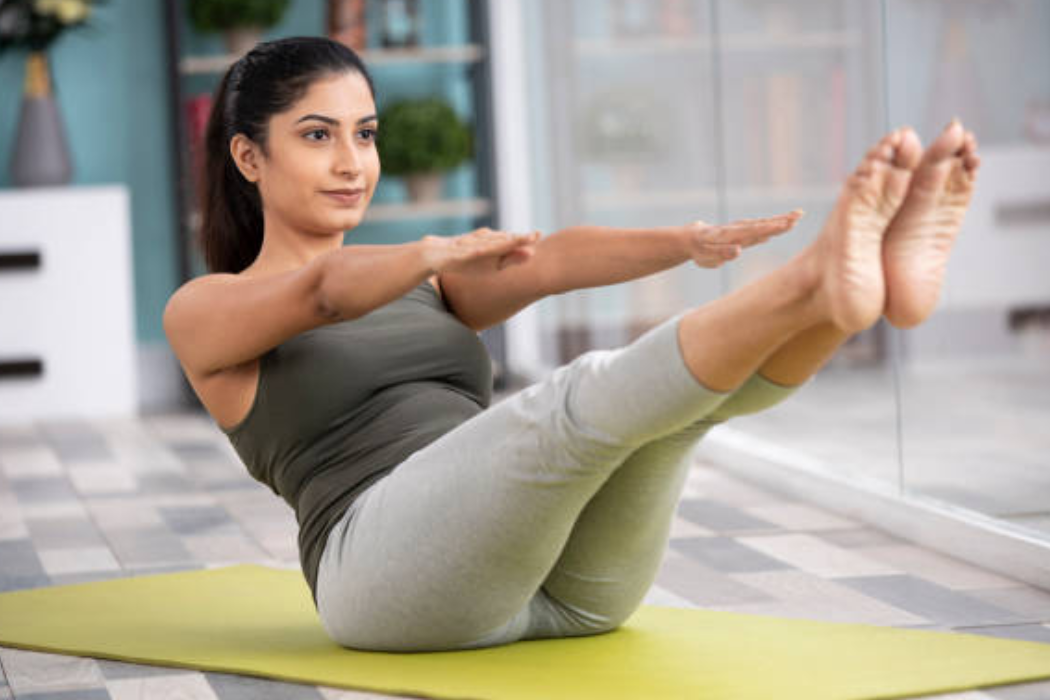
Definition: Bodyweight training is a form of strength exercise that uses your own body as resistance, eliminating the need for external weights or gym equipment. Exercises such as squats, push-ups, lunges, and planks fall into this category.
Why it works for beginners: Bodyweight training develops functional strength, improves balance, coordination, and core stability, and reduces the risk of injury compared to heavy resistance training. It is highly scalable, allowing beginners to start with easier variations and gradually increase intensity.
Beginner Routine:
- 10 squats
- 10 knee push-ups
- 20 jumping jacks
- 20-second plank
- 10 reverse lunges per leg
Repeat 2–3 rounds with 30–60 seconds rest.
Expert Insight: According to the American College of Sports Medicine (ACSM), functional bodyweight exercises enhance daily movement patterns, reduce injury risk, and lay the foundation for long-term fitness.
👉 Pairing workouts with nutrition? Try these 15-minute meals for a balanced life that help you fuel up without wasting time in the kitchen.
2. Walking – The Most Sustainable Fat-Burning Exercise

Definition: Walking is a low-impact cardiovascular activity that improves heart health, aids fat loss, and enhances mental well-being. It is accessible, easy to maintain, and suitable for all fitness levels.
Benefits: Walking strengthens the heart, improves circulation, reduces stress and anxiety, supports weight management, and enhances joint mobility.
How to Start:
- Walk briskly for 20–30 minutes daily
- Maintain a pace that slightly elevates your heart rate
- Add music or podcasts for motivation
Research Insight: Harvard Health reports that 20–30 minutes of brisk walking daily can reduce cardiovascular disease risk by up to 30%, improve insulin sensitivity, and support overall longevity.
➡ Fun fact: A Harvard Health study revealed that walking for just 21 minutes a day can cut your risk of heart disease by 30%. That’s a win for your heart and your schedule.
As you build endurance, increase your pace, add hills, or carry light hand weights to keep it challenging.
3. Hybrid Workouts – Strength Meets Cardio
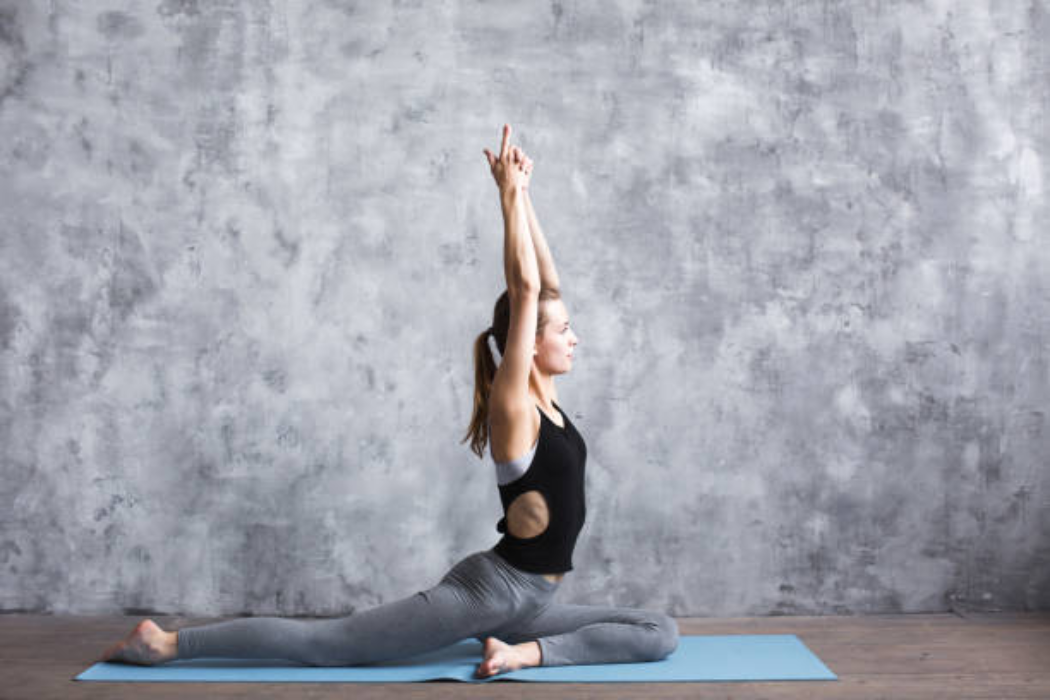
Definition: Hybrid workouts combine strength training and cardiovascular exercise into a single, efficient session. This approach targets both muscle development and calorie burn simultaneously.
Why it works: Hybrid workouts save time, improve stamina, build lean muscle, and boost metabolic rate, making them ideal for busy professionals and beginners.
Beginner Routine:
- 30 sec squats
- 30 sec marching in place
- 30 sec wall push-ups
- 30 sec step-ups
- Rest 60 sec
This method increases EPOC (Excess Post-Exercise Oxygen Consumption), allowing your body to continue burning calories after the workout.
4. Yoga & Mobility – Recovery-Focused Fitness
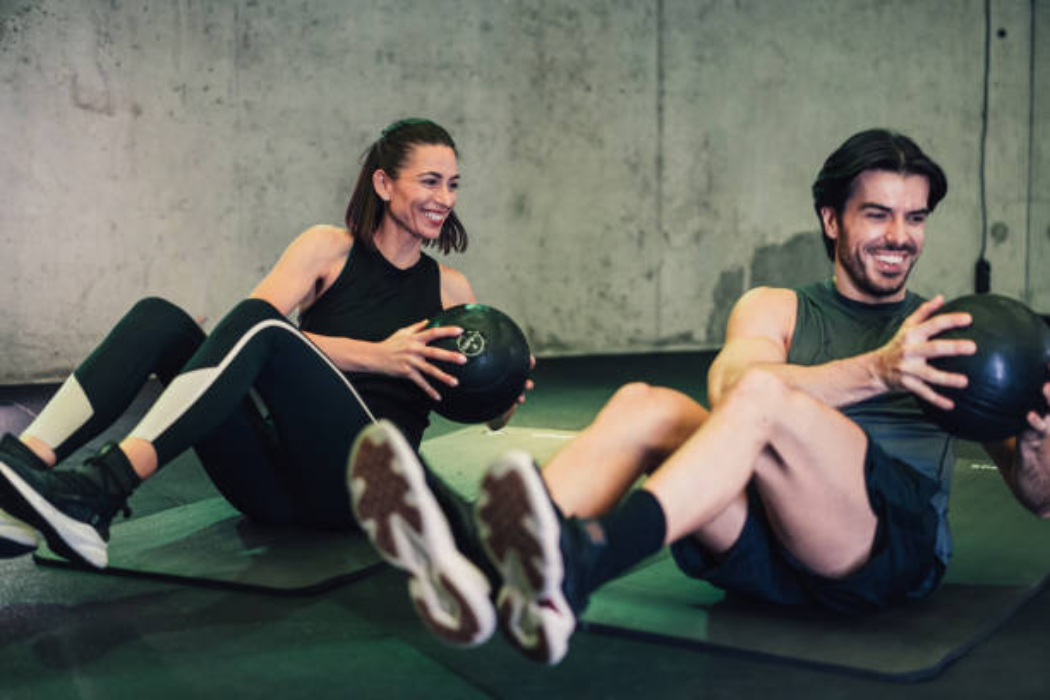
Definition: Yoga and mobility exercises improve flexibility, posture, joint health, and recovery. These practices also enhance focus and reduce mental stress, making them essential in modern fitness programs.
Benefits: Increased flexibility, reduced muscle stiffness, improved breathing, better posture, and injury prevention.
Beginner Poses: Downward Dog, Cat-Cow, Child’s Pose, Warrior I & II, Seated Stretch
Even 10–15 minutes daily can improve circulation, spinal alignment, and overall mobility
5. 5. HIIT + Mobility – Smarter High-Intensity Training
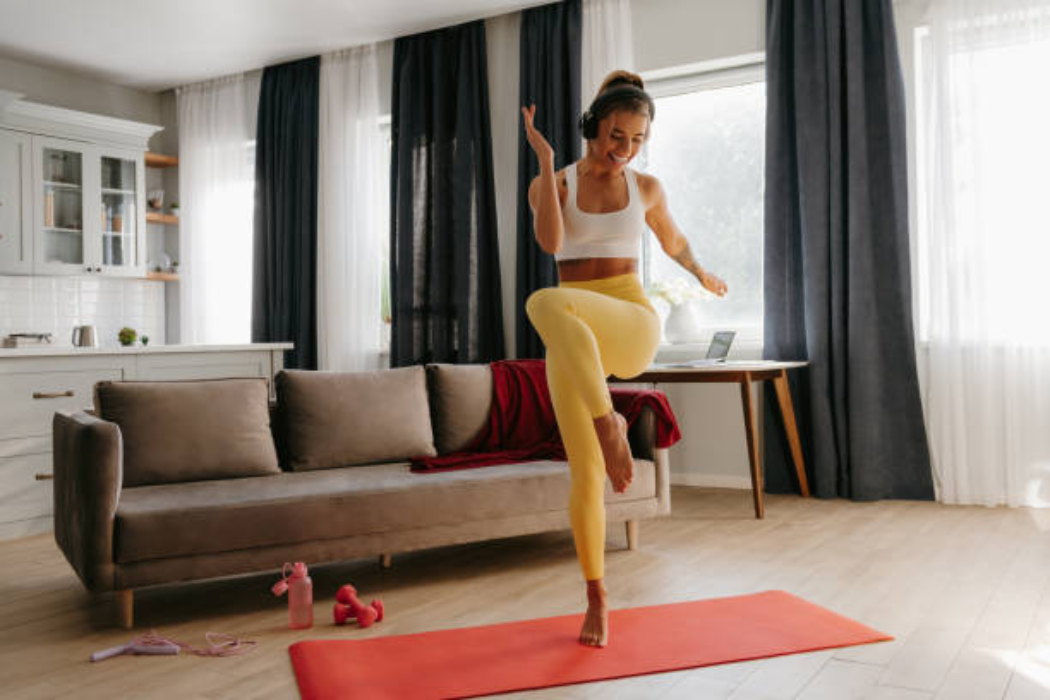
Definition: HIIT (High-Intensity Interval Training) alternates short bursts of intense exercise with recovery periods. Combining HIIT with mobility work balances intensity and flexibility, reducing the risk of injury.
Why it works: This combination improves cardiovascular fitness, burns fat quickly, increases metabolism, and supports joint health.
Beginner Routine:
- 30 sec high knees, 30 sec rest
- 30 sec bodyweight squats, 30 sec rest
- 30 sec mountain climbers
- Finish with 5 min stretching
Total time: 15–20 minutes
Fitness isn’t just physical—it’s emotional and mental too. Building a healthier lifestyle includes small daily rituals that nourish you from within. Learn more about simple habits for a healthier life that align with your fitness goals.
6. Digital Fitness – Personalized Workouts Anywhere
Definition: Digital fitness platforms provide guided workouts, AI-generated plans, and progress tracking accessible from apps, devices, and online resources.
Popular Platforms: Nike Training Club, FitOn, Chloe Ting (YouTube), Apple Fitness+, Google Fit
Benefits: No gym membership required, structured routines, personalized guidance, and flexible scheduling.
Digital fitness ensures beginners can maintain consistency, stay motivated, and achieve measurable results regardless of location or equipment availability.
7. Dance Workouts – Fun, Engaging, and Effective
Definition: Dance fitness uses choreographed movement to deliver full-body cardio workouts. Popular styles include Zumba, K-pop fitness, Bollywood dance, and freestyle routines.
Benefits: Burns calories, improves coordination, enhances cardiovascular fitness, boosts mood, and reduces stress.
Even 20 minutes of dancing can burn 150–300 calories, making it an enjoyable alternative to traditional workouts.
Dance-based exercises are particularly effective for beginners who struggle with motivation, as the fun, engaging nature encourages long-term adherence.
Final Thoughts: Building Sustainable Fitness in 2026
The fitness landscape in 2026 has shifted from extreme gym routines and short-term challenges to a more holistic, sustainable, and science-backed approach. Modern beginner-friendly workouts are designed not only to burn calories but to build functional strength, mobility, cardiovascular endurance, and mental resilience, ensuring long-term health and performance. Workouts like bodyweight training, walking, hybrid strength-cardio sessions, yoga, HIIT with mobility, dance fitness, and digital training platforms provide practical solutions for busy professionals and beginners alike. By focusing on exercises that are scalable, low-risk, and easy to integrate into daily life, individuals can develop consistent exercise habits that support fat loss, muscle development, posture improvement, and overall wellness.
A key element of today’s fitness evolution is the accessibility and personalization offered by digital fitness apps and AI-guided programs, which allow users to train anytime, anywhere with structured routines and progress tracking. These innovations remove traditional barriers such as gym access, equipment costs, and time constraints, helping individuals maintain motivation, consistency, and measurable results. In 2026, the most effective fitness strategies prioritize balance, recovery, and enjoyment, ensuring that workouts are sustainable, engaging, and aligned with long-term health goals. By adopting these beginner-friendly routines and integrating them into a structured lifestyle, anyone can achieve lasting physical performance, enhanced mental clarity, and improved overall well-being, proving that modern fitness is about smart, maintainable, and results-driven habits rather than extremes.