

Digital marketing has transformed the way businesses promote their products and services. As consumers spend more time online, searching on Google, browsing websites, scrolling through social media, and engaging with digital content, marketing strategies have shifted from traditional channels to digital platforms.
Today, businesses that fail to adapt to digital marketing risk losing visibility and relevance. Understanding what digital marketing is, along with its benefits and importance, helps businesses strengthen their online presence, connect with the right audience, and achieve consistent growth in an increasingly competitive digital environment.
What is Digital Marketing?
Digital marketing is the process of promoting products, services, or brands through digital channels and online platforms. These channels include search engines, websites, social media platforms, email campaigns, mobile applications, and content marketing formats such as blogs, videos, and guides.
The primary goal of digital marketing is to reach potential customers where they actively spend time online. Unlike traditional marketing, digital marketing enables businesses to deliver personalized messages, track campaign performance in real time, and make data driven improvements. This flexibility makes digital marketing more efficient, measurable, and results focused.
If you’re just starting out, this Beginner’s Guide to Digital Marketing is a great resource.
Types of Digital Marketing Channels
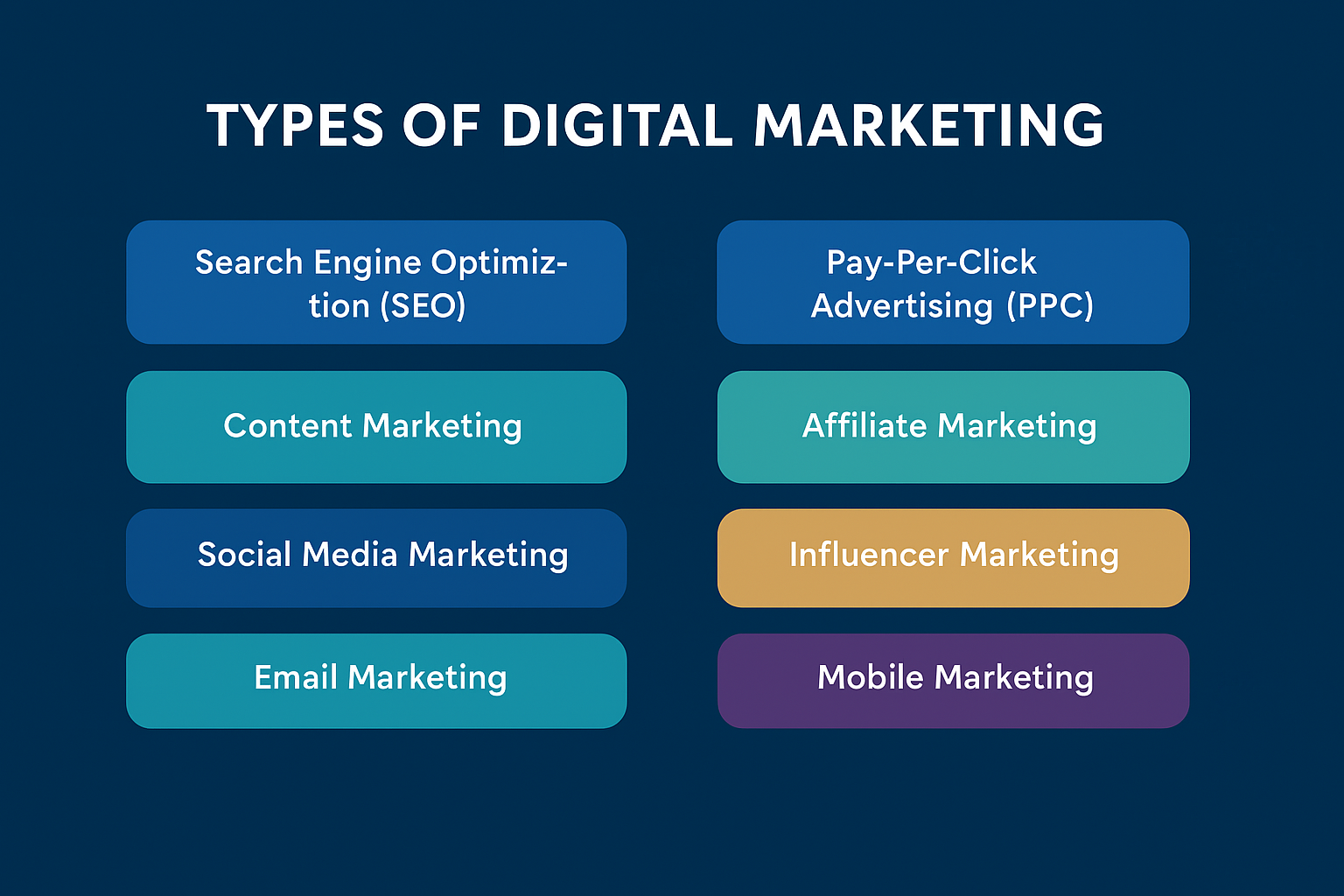
1) Search Engine Optimization (SEO)
Search engine optimization is a core digital marketing service provider channel focused on improving a website’s visibility on search engines like Google. SEO involves optimizing website content, keywords, page structure, and technical elements to attract organic traffic.
Strong SEO practices help businesses appear in relevant search results, increase website credibility, and attract users who are actively searching for information, products, or services. Over time, SEO supports sustainable growth and long term visibility.
2) Social Media Marketing
Social media marketing involves promoting content and interacting with users on platforms such as Facebook, Instagram, LinkedIn, and X. These platforms allow brands to share updates, showcase products, and engage directly with their audience.
Consistent social media activity helps build brand awareness, improve audience trust, and create meaningful connections. It also allows businesses to understand customer preferences through engagement and feedback.
3) Content Marketing
Content marketing focuses on creating and sharing valuable, informative, and relevant content to attract and retain an audience. This includes blog articles, videos, guides, case studies, and educational resources.
High quality content helps businesses address user questions, build authority in their industry, and support long term organic traffic growth. Content marketing also plays a major role in nurturing trust and guiding users through the buying journey.
4) Email Marketing
Email marketing allows businesses to communicate directly with their audience through newsletters, announcements, and promotional messages. It remains one of the most effective channels for lead nurturing and customer retention.
Personalized and well timed email campaigns help maintain customer relationships, increase engagement, and encourage repeat interactions. When used strategically, email marketing delivers consistent and measurable results.
Benefits of Digital Marketing
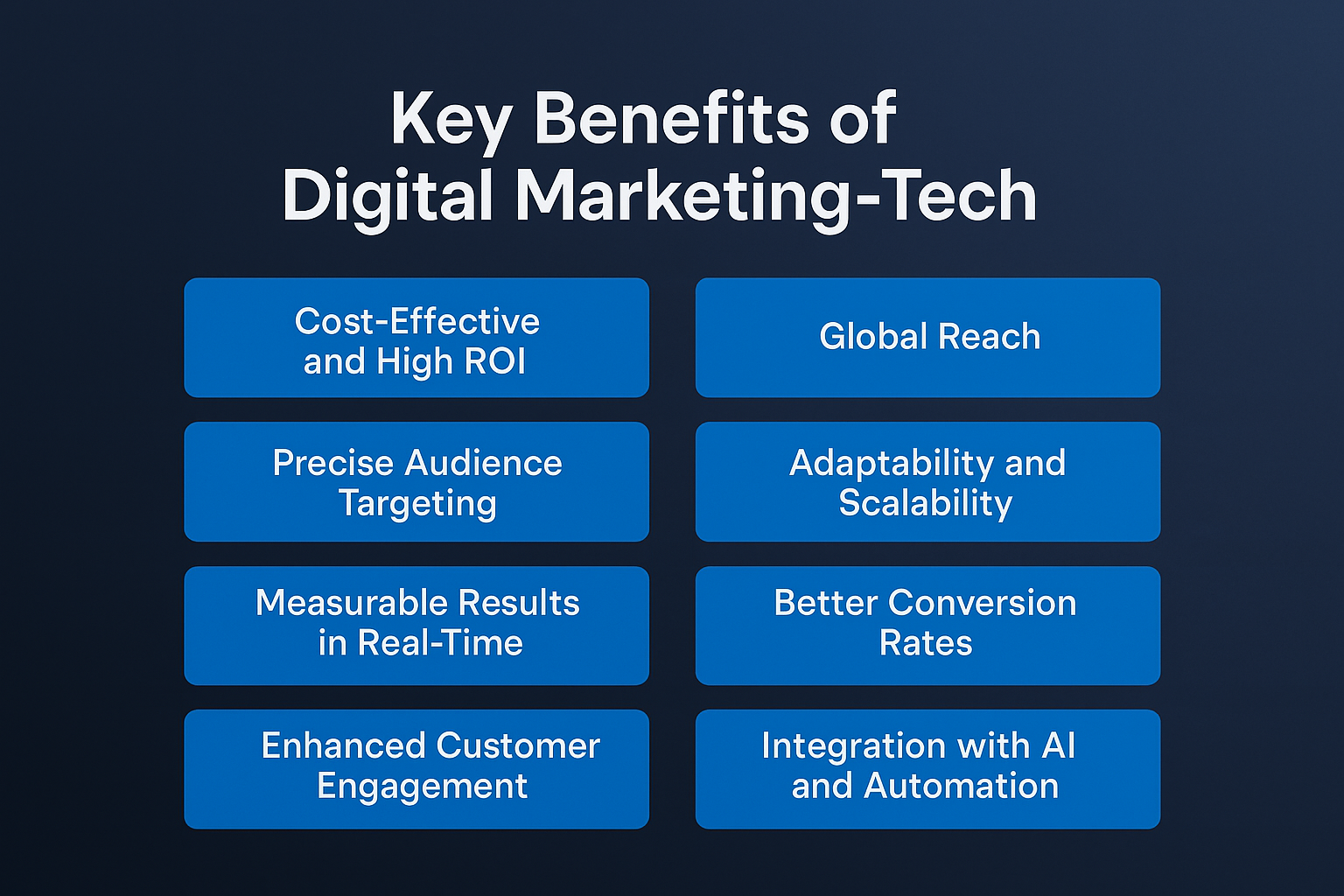
1) Cost Effective Marketing Strategy
Digital marketing is more affordable than traditional advertising methods such as television, radio, or print media. Businesses can control budgets, run targeted campaigns, and test different strategies without significant financial risk.
This cost flexibility makes digital marketing accessible to startups and small businesses while still delivering value for established brands.
2) Higher Online Visibility
Digital marketing helps businesses maintain visibility across multiple online platforms, including search engines, websites, and social media channels. Increased online presence ensures that potential customers can easily discover products or services.
Consistent visibility improves brand recognition and keeps businesses competitive in crowded digital markets.
Read This For Better Clarification :- GEO vs AEO vs SEO: The Ultimate AI Marketing Guide.
3) Targeted and Personalized Marketing
Digital marketing allows businesses to target specific audiences based on demographics, location, interests, and online behavior. This ensures marketing messages reach users who are more likely to engage or convert.
Personalized campaigns improve user experience and result in higher engagement and better conversion rates.
4) Measurable and Data Driven Results
One of the strongest advantages of digital marketing is the ability to measure results accurately. Businesses can track website traffic, campaign performance, leads, conversions, and customer interactions.
These insights help marketers refine strategies, optimize performance, and allocate resources more effectively.
5) Better Customer Engagement
Digital marketing encourages two way communication through social media interactions, emails, comments, and feedback forms. Businesses can respond quickly to customer queries and build stronger relationships.
Improved engagement leads to higher customer satisfaction, loyalty, and long term brand value.
Importance of Digital Marketing for Businesses
1) Essential for Business Growth
Digital marketing plays a crucial role in business growth by helping companies reach new audiences and expand their market reach. Online marketing strategies allow businesses to promote their offerings without geographical limitations.
This scalability makes digital marketing important for local businesses, startups, and global brands alike.
2) Builds Brand Trust and Credibility
A consistent digital presence supported by informative and helpful content helps establish trust with users. When businesses share accurate information and maintain transparency, customers view them as reliable and professional.
Trust and credibility significantly influence purchasing decisions in digital environments.
3) Adapts to Changing Consumer Behavior
Consumer behavior continues to evolve with technology, trends, and online habits. Digital marketing allows businesses to adjust strategies quickly based on audience preferences and market changes.
This adaptability helps brands remain relevant and responsive in competitive industries.
4) Supports Long Term Marketing Strategy
Digital marketing supports long term success through sustainable channels such as SEO and content marketing. Unlike short term promotional campaigns, these strategies continue to deliver value over time.
A strong digital marketing foundation ensures consistent visibility, steady traffic, and ongoing business growth.
Conclusion
Digital marketing has become an essential part of modern business strategy. It enables businesses to reach the right audience, improve online visibility, and build meaningful customer relationships.
By understanding the benefits and importance of digital marketing, businesses can make informed decisions, strengthen their digital presence, and achieve sustainable growth in an increasingly digital world.