

In today’s fast-moving digital economy, businesses need tools that do more than support daily operations. They must improve efficiency, reduce costs, and help teams adapt quickly to change. That is why identifying the top 10 SaaS tools every business needs in 2026 has become critical for companies aiming to stay competitive. Software as a Service platforms now power everything from communication and project management to marketing, finance, and automation, making modern businesses smarter and more scalable.
SaaS tools provide cloud-based access to software through a simple subscription model. They remove the need for complex installations, expensive hardware, and constant manual updates. In 2026, SaaS tools are no longer optional add-ons. They form the foundation of how businesses operate, collaborate, and grow.
This article explains the most important SaaS tools businesses should use in 2026, with clear definitions, features, benefits, and real-life use cases. The content is written in simple language and optimized with keywords such as SaaS tools, business productivity, and cloud software.
What Are SaaS Tools and Why Do They Matter in 2026?
SaaS tools are software applications that run on cloud servers and are accessed through a web browser or mobile app. Businesses pay a monthly or yearly fee instead of purchasing software outright.
In 2026, SaaS tools are essential because they:
- Reduce operational costs and IT workload
- Support distributed and global teams
- Use AI to automate tasks and improve accuracy
- Scale easily as businesses grow
- Enable real-time collaboration and faster decisions
With increasing demand for cloud-based software and business efficiency tools, SaaS platforms have become a core requirement for competitive businesses.
1. Slack: Smart Communication for Modern Teams
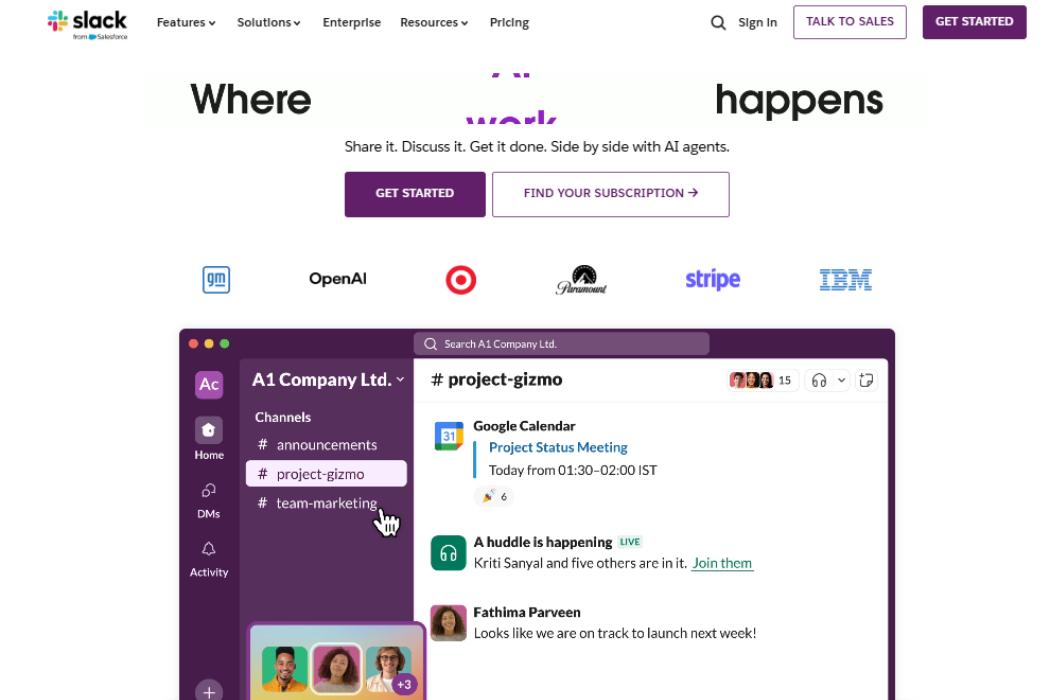
What Slack Is
Slack is a cloud-based team communication tool that replaces long email threads with organized, real-time conversations. It allows teams to communicate in one central workspace.
Why It’s Essential
In 2026, Slack functions as a smart communication hub that keeps teams aligned, informed, and responsive.
Key Features
- Channels for teams, departments, or projects
- AI-powered message summaries and search
- File sharing and app integrations
- Voice and video huddles
Benefits
- Reduces internal email usage
- Keeps conversations organized and searchable
- Speeds up decision-making
Use Case
A digital agency uses Slack to coordinate tasks, share updates, and search previous discussions instantly.
2. Trello: Visual Task and Workflow Management
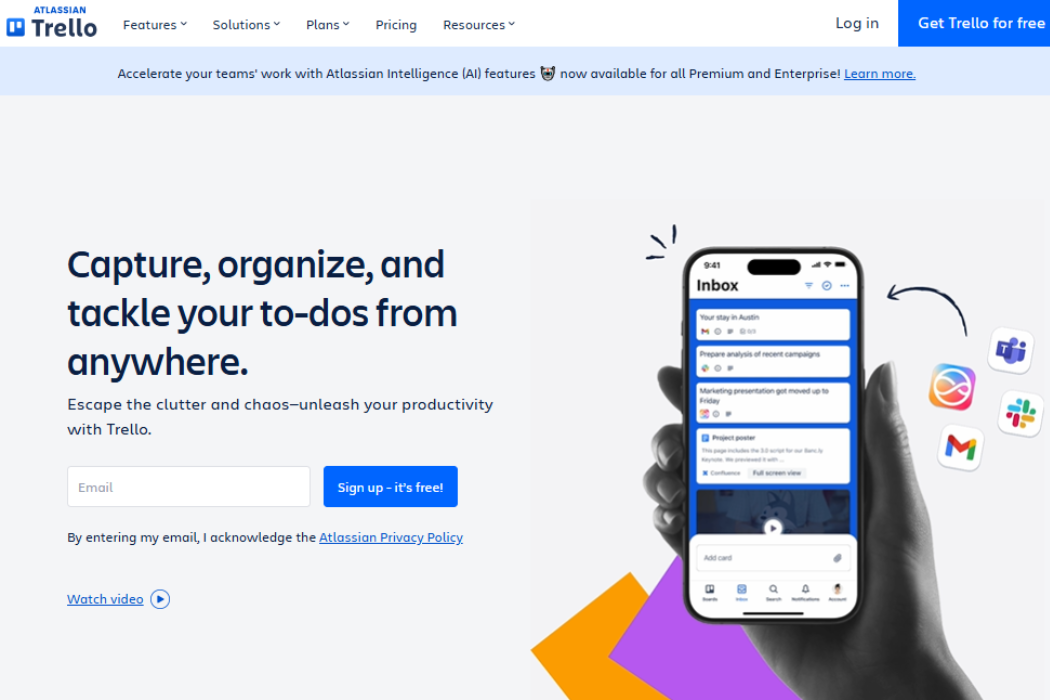
What Trello Is
Trello is a visual project management SaaS tool that helps teams organize tasks using boards, lists, and cards.
Why It’s Essential
It provides a clear overview of work progress, making it easy for teams to understand what needs to be done.
Key Features
- Drag-and-drop task cards
- Automation for recurring actions
- Integrations with business tools
- AI-assisted task suggestions
Benefits
- Easy to use for beginners
- Improves task visibility
- Helps teams stay organized
Use Case
An e-commerce business uses Trello to manage marketing campaigns and order fulfillment tasks.
3. HubSpot: AI-Powered CRM and Marketing Platform
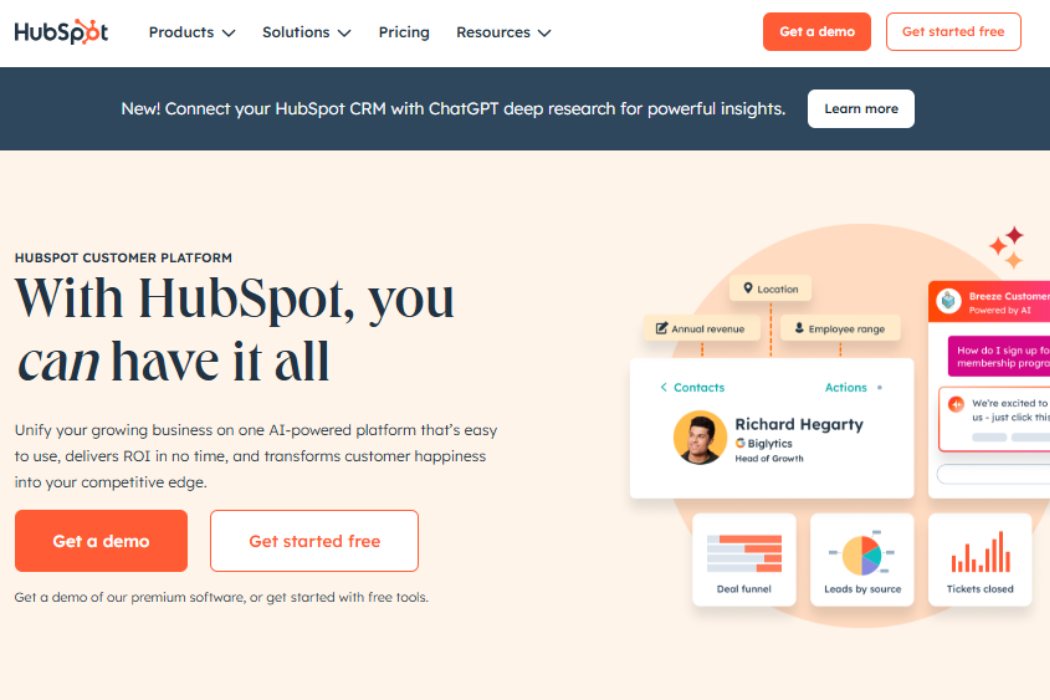
What HubSpot Is
HubSpot is an all-in-one SaaS platform that helps businesses manage customer relationships, marketing campaigns, sales pipelines, and customer support.
Why It’s Essential
HubSpot centralizes customer data and uses AI to help businesses attract, convert, and retain customers.
Key Features
- Free CRM with AI lead scoring
- Marketing and sales automation
- Performance analytics
- AI-assisted content tools
Benefits
- Better customer insights
- Improved sales forecasting
- Strong marketing performance
Use Case
A SaaS company uses HubSpot to track leads, automate emails, and analyze conversion data.
4. Zoom: Intelligent Video Communication Platform
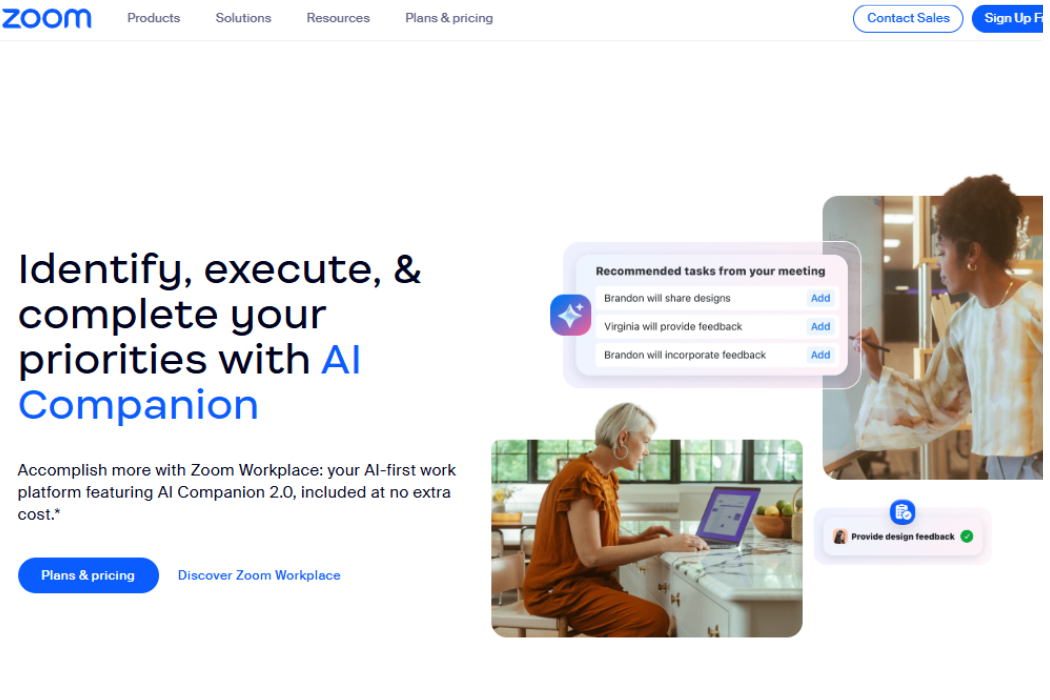
What Zoom Is
Zoom is a cloud-based video conferencing and virtual meeting tool used for online communication, training, and events.
Why It’s Essential
Zoom supports daily business communication across locations and time zones.
Key Features
- High-quality video and audio
- AI meeting summaries and transcripts
- Webinar and event hosting
- Calendar integrations
Benefits
- Saves time with automated notes
- Improves virtual collaboration
- Reliable meeting experience
Use Case
A consulting firm uses Zoom for client meetings and internal training sessions.
5. QuickBooks Online: Cloud-Based Accounting Software
What QuickBooks Online Is
QuickBooks Online is a SaaS accounting tool that helps businesses manage finances, invoices, expenses, and taxes in one place.
Why It’s Essential
It simplifies financial management for businesses without accounting expertise.
Key Features
- Automated invoicing and expense tracking
- Real-time financial reports
- Bank and payroll integrations
- AI-driven cash flow insights
Benefits
- Accurate financial records
- Time savings on bookkeeping
- Better financial planning
Use Case
A small business owner uses QuickBooks to manage invoices and track expenses year-round.
6. Canva: AI-Based Graphic Design Tool
What Canva Is
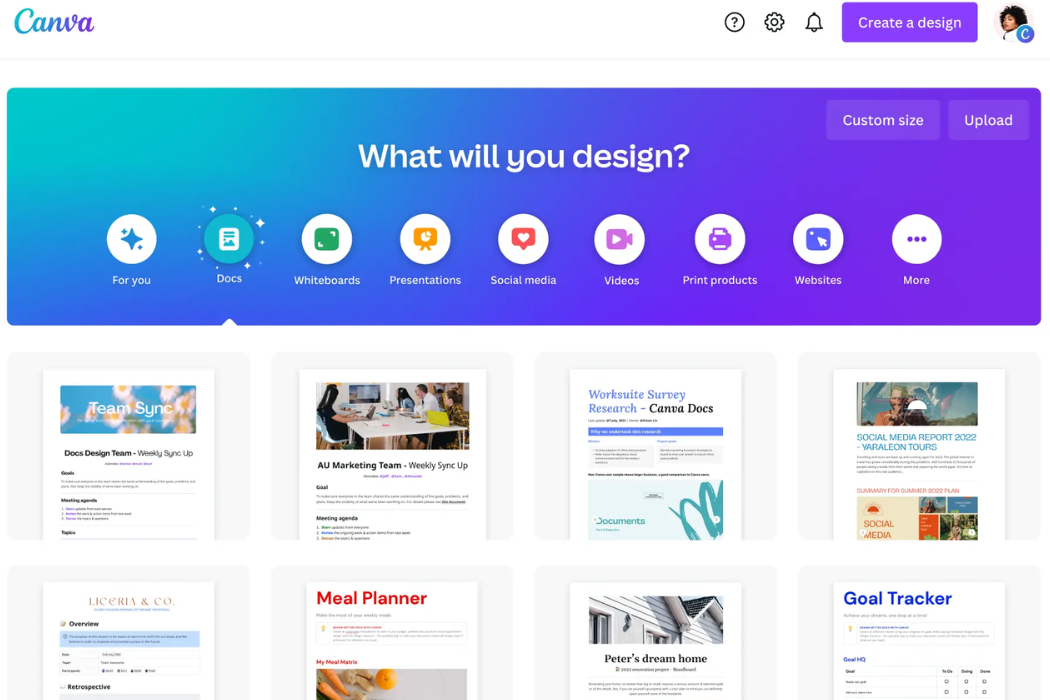
Canva is an online design platform that allows users to create professional visuals without graphic design skills.
Why It’s Essential
Visual content plays a major role in branding and marketing in 2026.
Key Features
- AI-powered design generation
- Brand kits and templates
- Social media and presentation designs
- Team collaboration
Benefits
- Consistent branding
- Faster design creation
- Lower design costs
Use Case
A local brand uses Canva to create social media graphics and promotional materials.
Also Read Our Article :- Top 10 CRM Apps to Keep Your Clients Organized
7. Asana: Advanced Project and Task Management Tool
What Asana Is
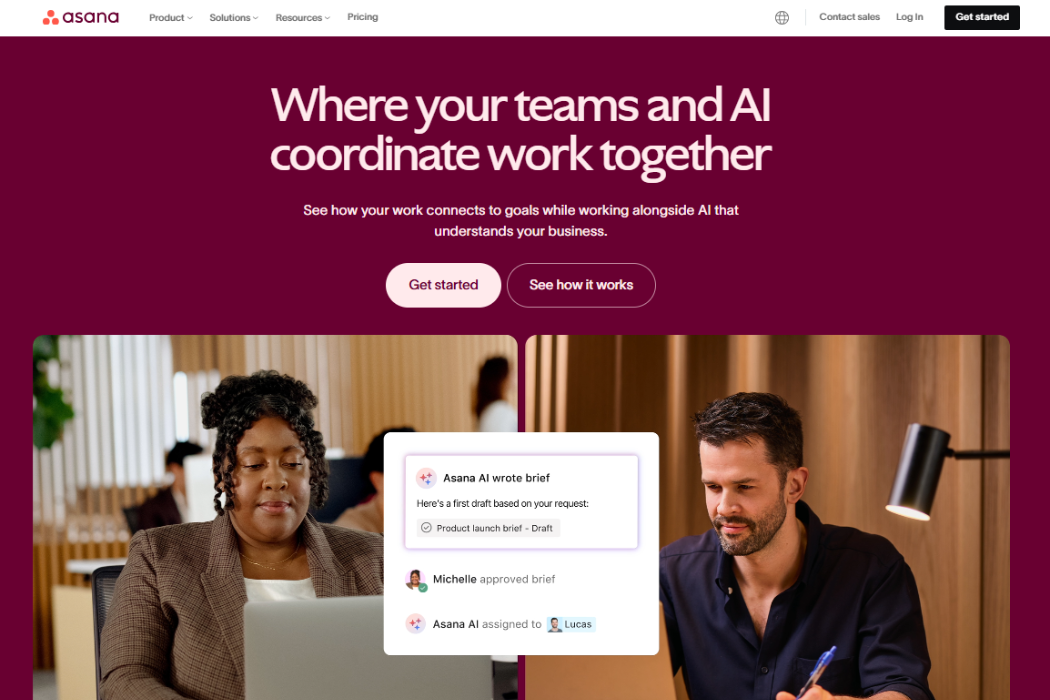
Asana is a SaaS project management platform designed for organizing complex workflows and team collaboration.
Why It’s Essential
It helps businesses manage large projects with multiple tasks and deadlines.
Key Features
- Task dependencies and timelines
- Multiple project views
- Automation rules
- AI workload management
Benefits
- Clear project visibility
- Improved accountability
- Faster project delivery
Use Case
A technology company uses Asana to manage software development projects.
8. Mailchimp: Email Marketing and Automation Tool
What Mailchimp Is
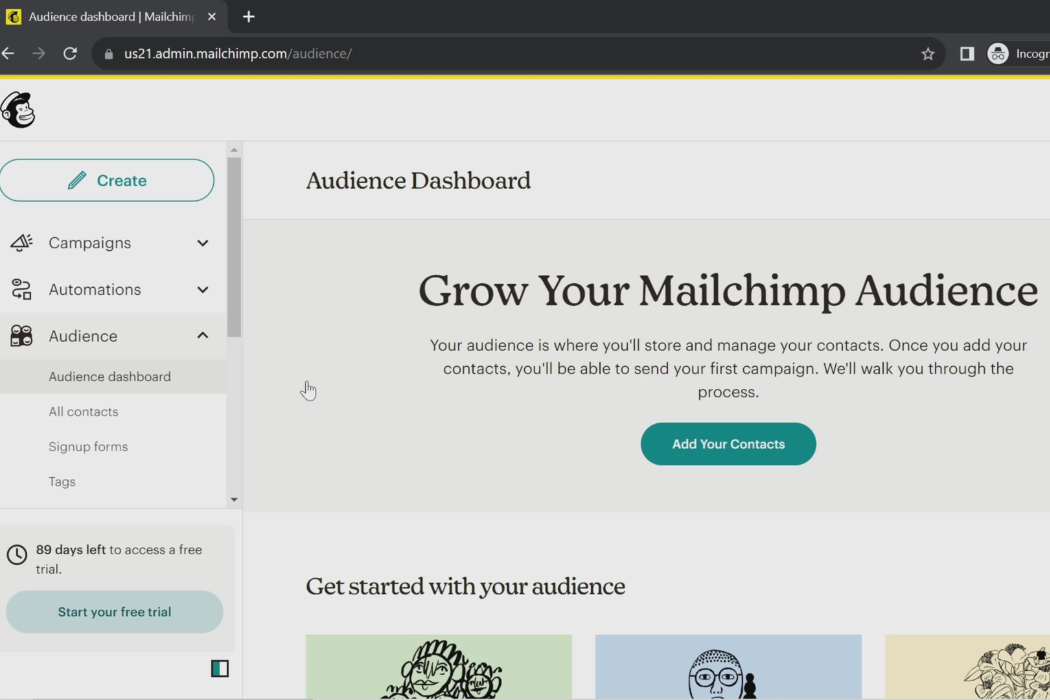
Mailchimp is a SaaS email marketing platform that helps businesses create, send, and analyze email campaigns.
Why It’s Essential
Email marketing remains one of the highest-performing digital channels.
Key Features
- AI-driven audience segmentation
- Campaign analytics
- Automated email journeys
- Custom templates
Benefits
- Higher engagement rates
- Better customer retention
- Easy campaign management
Use Case
An online store uses Mailchimp to send personalized offers and follow-up emails.
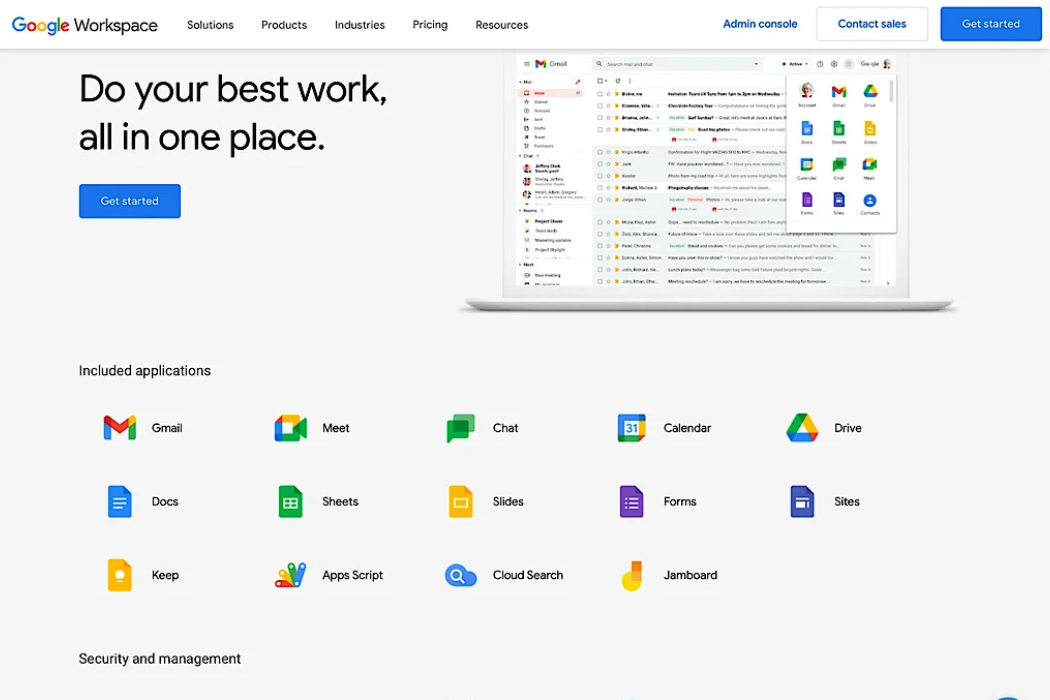
9. Google Workspace: Cloud Productivity Suite
What Google Workspace Is
Google Workspace is a collection of cloud-based tools for email, document creation, file storage, and collaboration.
Why It’s Essential
It enables teams to work together in real time from anywhere.
Key Features
- Google Docs, Sheets, and Slides
- Secure cloud storage
- Email and scheduling tools
- AI writing assistance
Benefits
- Smooth collaboration
- Secure file access
- Scalable productivity
Use Case
A startup uses Google Workspace to collaborate on documents and manage daily communication.
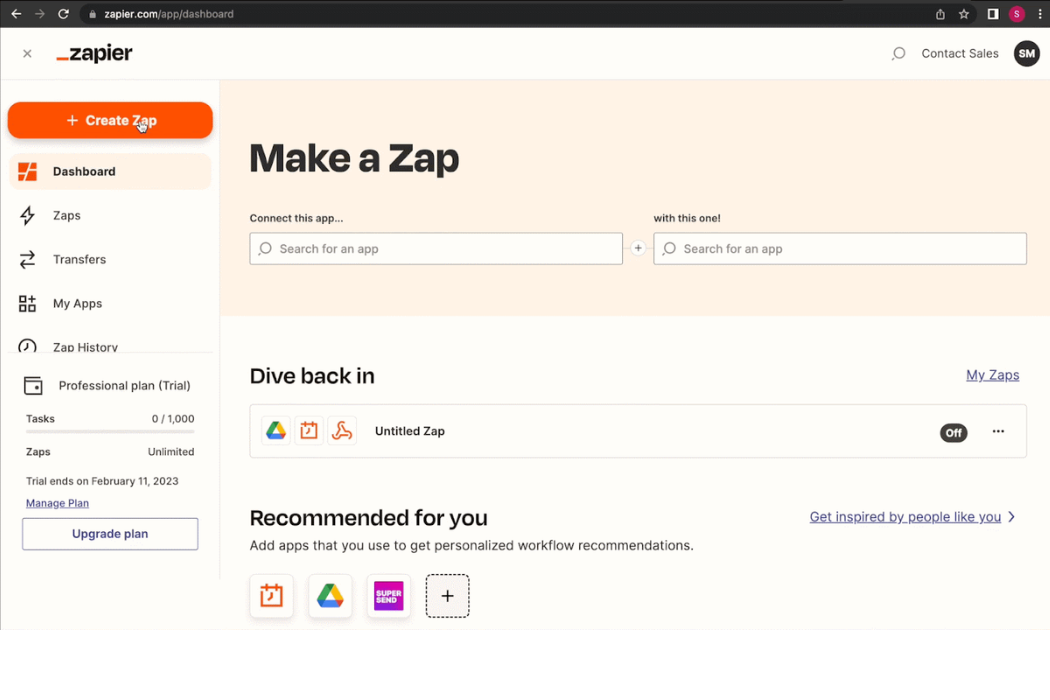
10. Zapier: Workflow Automation Platform
What Zapier Is
Zapier is a SaaS automation tool that connects different applications and automates repetitive tasks without coding.
Why It’s Essential
Automation saves time and reduces manual errors.
Key Features
- Integration with thousands of apps
- AI-assisted automation setup
- Custom workflows
- Error monitoring
Benefits
- Increased efficiency
- Reduced manual work
- Scalable operations
Use Case
A sales team uses Zapier to automate lead entry and notifications.
How to Pick the Best SaaS Tools for Your Business
With numerous SaaS options on the market, choosing the right ones can feel challenging. To simplify the process, consider these tips:
- Understand Your Requirements: Evaluate your business challenges. Are you looking to improve communication, manage projects more effectively, or enhance marketing efforts?
- Consider Scalability: Choose tools that grow with your business, offering flexible plans and features.
- Check Integrations: Ensure the tools work well with your existing software stack.
- Evaluate Costs: Look for tools with free or affordable plans that fit your budget.
- Test Usability: Opt for tools with intuitive interfaces to minimize training time.
By focusing on business software solutions and cloud-based tools, keywords with strong search volume, you can find tools that align with your goals and drive success.
Why SaaS Tools Are a Game-Changer for Businesses
SaaS tools have transformed how businesses operate, offering flexibility, affordability, and efficiency. Here’s why they’re a game-changer:
- Availability: Use the tools anytime, anywhere with internet access.
- Cost-Effective: Subscription models eliminate upfront costs for software and hardware.
- Continuous Updates: Service providers handle all updates, delivering the latest features seamlessly.
- Collaboration: Enable real-time collaboration for remote and global teams.
- Data Security: Most SaaS tools offer robust security features to protect your data.
With high-search-volume terms like “SaaS benefits” and “business growth tools,” these advantages make SaaS tools indispensable for modern businesses.
Conclusion
Using SaaS tools is a necessity for businesses wanting to remain competitive. From Slack’s seamless communication to Zapier’s workflow automation, the top 10 SaaS tools listed above cover critical areas like collaboration, project management, marketing, accounting, and design. By integrating these tools, businesses can boost productivity, streamline operations, and drive growth. Whether you’re a small startup or a large enterprise, investing in the right SaaS tools will set you up for success.
Start testing these solutions today to identify the ideal match for your company. With keywords like “best SaaS tools” and “business efficiency” driving online searches, adopting these solutions will not only improve your operations but also enhance your visibility in a competitive market.