
Top 10 AI Tools for Content Writing That Power Modern Content Marketing

Content creation has become one of the strongest growth drivers for brands worldwide, and the Top AI tools for Content Writing now play an important role in supporting this growth. Blogs, landing pages, email campaigns, and social media posts are no longer optional. They are essential. As competition grows across global markets, businesses are expected to publish consistent, high quality content while maintaining accuracy, relevance, and brand voice. This growing demand has increased reliance on the Top AI tools for Content Writing. These tools are not shortcuts or replacements for writers. Instead, they function as productivity and intelligence layers that support research, drafting, optimization, and editing. When applied correctly, they allow content teams to focus more on strategy, creativity, and audience intent. This guide covers the most trusted AI tools used by marketers, agencies, and businesses around the world. How We Selected the Top AI Tools for Content Writing Each platform included in this list was selected based on real-world content writing use cases rather than promotional claims. The evaluation focused on writing quality, editorial control, SEO compatibility, adaptability across industries, and long-term usability. Priority was given to the top AI tools for content writing that: Fully automated or low-control systems were intentionally excluded. Top 10 AI Tools for Content Writing Excellence 1) Jasper Jasper is a professional AI content writing platform built specifically for marketing teams, agencies, and growing businesses that require structured and scalable content production. It assists writers throughout the content lifecycle, from idea development to drafting and refinement. Jasper is particularly known for its focus on brand voice consistency, allowing teams to maintain the same tone and messaging across multiple writers and campaigns. Unlike basic writing tools, Jasper is designed to work within editorial workflows, making it suitable for long form blogs, website content, and strategic marketing assets. PurposeJasper helps organizations manage high content volumes while preserving brand alignment. StrengthsBrand voice control, workflow support, and long form writing capabilities. Live Results and Data ImpactTeams using Jasper often experience faster content turnaround times and improved consistency across multi author environments. Uses Blogs, landing pages, SaaS content, thought leadership, and agency workflows. 2) Copy.ai Copy.ai is an AI powered copywriting tool designed to support marketers who need quick, creative text for campaigns. It specializes in short form content generation, offering multiple variations for the same idea. This makes it especially useful during brainstorming and testing phases where speed and flexibility are important. Copy.ai is not intended for deep long form writing but excels at generating concise, persuasive messaging. PurposeTo speed up short form copy creation and idea generation. StrengthsFast outputs, multiple variations, and ease of use. Live Results and Data ImpactMarketers use Copy.ai to reduce ideation time and launch campaigns faster. UsesAds, email subject lines, social media posts, promotional copy. 3) Writesonic Writesonic is a versatile AI content generation platform that supports a wide range of content formats. It is built for marketers who handle different types of writing across blogs, ads, product pages, and websites. The tool offers flexibility in tone and language, making it suitable for global audiences and multilingual campaigns. Writesonic bridges the gap between short form and long form content needs. PurposeTo support diverse content creation requirements in one platform. StrengthsMulti format support, tone flexibility, and global usability. Live Results and Data ImpactTeams often rely on Writesonic to standardize content output across regions. UsesBlogs, product descriptions, website copy, digital ads. 4) Surfer SEO Surfer SEO is a data driven content optimization tool focused entirely on search performance. Instead of generating content, it analyzes top ranking pages to provide guidance on structure, keyword usage, and content depth. Surfer SEO helps writers understand what search engines and users expect from a given topic. It is widely used by SEO professionals as part of on page optimization strategies. PurposeTo align content with search intent and ranking signals. StrengthsSERP analysis, optimization scoring, and keyword insights. Live Results and Data ImpactContent optimized with Surfer SEO often shows improved relevance and visibility. UsesSEO blogs, content audits, ranking focused pages. 5) Frase Frase is an AI driven research and content planning tool that focuses on understanding user intent. It helps writers identify common questions, subtopics, and competitor coverage before writing begins. Frase is particularly valuable for creating structured, comprehensive content that answers real search queries. It supports better planning rather than automated writing. PurposeTo simplify content research and topic planning. StrengthsUser question analysis and competitor insights. Live Results and Data ImpactWriters reduce research time and improve content completeness. UsesInformational blogs, FAQs, pillar pages. 6) Grammarly Grammarly is a writing assistance platform that focuses on improving clarity, grammar, tone, and readability. It works as a real time editor rather than a content generator. Grammarly helps ensure that content meets professional communication standards across different formats and audiences. It is widely adopted by individuals, teams, and enterprises. PurposeTo enhance writing quality and consistency. StrengthsGrammar correction, tone refinement, clarity suggestions. Live Results and Data ImpactTeams experience fewer revisions and improved communication clarity. UsesEditing blogs, emails, website copy, business documents. 7) QuillBot QuillBot is a paraphrasing and rewriting tool designed to help users rework existing content while preserving its original meaning. It is commonly used to improve readability, simplify language, or generate alternative versions of text without changing intent. It plays a supporting role in editing workflows. PurposeTo refine and refresh existing content. StrengthsMultiple paraphrasing modes and summarization. Live Results and Data ImpactUseful for updating old content and improving flow. UsesRewrites, content updates, simplification. 8) INK INK is an AI writing and optimization platform that integrates SEO guidance directly into the writing process. It provides real time feedback on keyword usage, structure, and optimization while content is being created. INK is designed for writers working in competitive search environments. It emphasizes performance focused writing. PurposeTo support SEO optimized content creation. Strengths Real time SEO scoring and guidance. Live Results and Data ImpactHelps maintain optimization consistency for competitive keywords. UsesSEO blogs, ranking focused content. 9) Anyword Anyword is a predictive copywriting platform that uses performance
Top 10 Beaches in Australia That Offer the Best Coastal Experiences

Australia is home to some of the world’s most admired coastlines, shaped by clear waters, soft sand, and diverse natural landscapes. The top beaches in Australia are not only visually striking but also offer experiences that suit swimmers, surfers, families, and nature lovers alike. This guide explores ten of the most famous beaches in the country, explaining what makes each one special, what visitors can do there, and the best time to plan a visit. Australia’s beach culture is also closely tied to its lifestyle, with many coastal areas offering walking trails, local dining, and nearby natural attractions. This balance between nature and accessibility is what sets these destinations apart. Travelers can move easily between relaxation and activity, making these beaches suitable for all types of visitors throughout the year. 1. Whitehaven Beach, Queensland Whitehaven Beach is situated in Queensland, within the Whitsunday Islands off the coast of Airlie Beach. Whitehaven Beach is located in the heart of the Whitsunday Islands and is celebrated for its pure white silica sand, which remains cool even under strong sunlight. The beach is protected and largely untouched, giving it a calm and natural atmosphere that appeals to travelers seeking scenic beauty. Great For Whitehaven Beach is ideal for travelers who prefer peaceful beach environments with minimal commercial activity. It suits couples, photographers, and nature-focused visitors who enjoy long shoreline walks, shallow swimming areas, and uninterrupted ocean views. The calm conditions also make it suitable for first-time swimmers. Best Time to Visit The most comfortable time to visit is between May and October, when temperatures remain pleasant and humidity is low. During this period, water visibility is excellent, and marine conditions are generally stable, making it ideal for boat trips and sightseeing. Where to Visit Nearby Visitors can explore Hill Inlet for panoramic views of swirling sand patterns or take guided boat tours around the Whitsunday Islands. Airlie Beach serves as a convenient base for accommodation, dining, and island-hopping experiences. 2. Bondi Beach, New South Wales Bondi Beach is located in Sydney, New South Wales, and is one of the city’s most visited coastal areas. Bondi Beach is one of the most famous beaches in Australia and represents Sydney’s coastal lifestyle. Known for its strong surf and vibrant atmosphere, Bondi attracts surfers, fitness enthusiasts, and international visitors throughout the year. Great For Bondi Beach is perfect for active travelers who enjoy surfing, ocean swimming, and social beach scenes. It also appeals to visitors interested in fitness culture, coastal walks, and a lively café environment close to the shoreline. Best Time to Visit The best months to visit are September to November and March to May, when the weather is warm without peak summer crowds. These periods offer comfortable swimming conditions and easier access to local attractions. Where to Visit Nearby Nearby highlights include the Bondi to Coogee Coastal Walk, Bondi Icebergs Pool, and quieter beaches like Bronte and Tamarama, which provide a more relaxed coastal experience. 3. Cable Beach, Western Australia Cable Beach is situated near the town of Broome in Western Australia. Cable Beach stretches for more than 20 kilometers near Broome and is known for its wide shoreline and uninterrupted ocean views. Its open space and calm environment make it one of the best beaches in Australia for peaceful coastal experiences. Great For Cable Beach suits travelers looking for open landscapes, quiet beach walks, and dramatic sunsets. It is particularly appealing to those who prefer spacious beaches with fewer crowds and uninterrupted views of the Indian Ocean. Best Time to Visit The most favorable time to visit is April to October, when temperatures are comfortable and rainfall is minimal. These months offer ideal conditions for swimming, walking, and sunset viewing. Where to Visit Nearby Visitors can explore Broome’s local markets, Gantheaume Point’s red cliffs, and cultural sites that reflect the region’s history and coastal heritage. 4. Surfers Paradise Beach, Queensland Surfers Paradise Beach is located on the Gold Coast in Queensland. Surfers Paradise Beach sits along the Gold Coast and is known for its long stretch of sand and energetic atmosphere. It blends natural coastal beauty with nearby entertainment, making it popular with both tourists and locals. Great For This beach is ideal for travelers who enjoy a mix of beach activities and city life. It suits surfers, young travelers, and families who want easy access to dining, shopping, and entertainment alongside beach time. Best Time to Visit The best visiting periods are April to June and September to November, when temperatures are pleasant and beach conditions are suitable for both swimming and surfing. Where to Visit Nearby Nearby attractions include the Gold Coast Esplanade, beachfront shopping zones, and several well-known theme parks located a short drive away. 5. Manly Beach, New South Wales Manly Beach is located in Sydney’s Northern Beaches region in New South Wales. Manly Beach offers consistent waves and a relaxed coastal environment. Easily reached by ferry from Sydney, it is a favorite for day trips and longer stays. Great For Manly Beach is well-suited for beginner surfers, families, and travelers seeking a laid-back beach atmosphere. The wide shoreline and reliable waves make it ideal for lessons and casual swimming. Best Time to Visit The ideal visiting window is October to April, when water temperatures rise and surf conditions remain consistent throughout the day. Where to Visit Nearby Shelly Beach offers calm snorkeling conditions, while North Head Lookout provides sweeping coastal views. The Manly Corso connects visitors to dining, shops, and ferry access. 6. Noosa Main Beach, Queensland Noosa Main Beach is situated in Noosa Heads on Queensland’s Sunshine Coast. Noosa Main Beach is known for its gentle waves and clean surroundings. It is one of the most accessible beaches on the Sunshine Coast and is backed by shops and nature reserves. Great For Noosa Main Beach is ideal for families, casual swimmers, and travelers who prefer calm waters. It also suits visitors who enjoy combining beach time with nearby dining and shopping options. Best Time to
Top 10 SEO Companies In The USA

Choosing the right SEO partner can decide how visible your business becomes online. With search engines constantly evolving, businesses need experienced professionals who understand rankings, user intent, and long-term growth. This curated list of the Top 10 SEO Companies in the USA highlights agencies known for performance, transparency, and consistent results. Whether you are a startup or an established brand, working with the right SEO company can improve traffic, leads, and revenue in a sustainable way. How We Selected The Top 10 SEO Companies This list is based on real-world performance indicators rather than hype. Each company was evaluated on: Only companies that consistently deliver long-term organic growth have been included. Best 10 SEO Companies In The USA 1. Vinzotech – Result-Driven SEO Company Vinzotech stands at the top of this list for its consistent delivery of measurable SEO results. The company focuses on growth-oriented strategies that align search visibility with real business goals rather than vanity metrics. Vinzotech works closely with clients to understand their market, competition, and customer intent before building a customized SEO roadmap. This approach ensures steady ranking improvements and qualified traffic. Why Vinzotech ranks #1: Vinzotech’s practical mindset and long-term SEO focus make it one of the most reliable SEO companies in the USA. 2. WebFX WebFX is a well-established SEO agency known for combining SEO strategy with in-depth analytics. The company uses data-backed insights to improve rankings, traffic quality, and conversions. Their large team of specialists allows them to manage SEO campaigns at scale while maintaining consistency and performance. Key strengths: WebFX is a strong option for businesses looking for structured and scalable SEO solutions. 3. Ignite Visibility Ignite Visibility has built a strong reputation for managing complex SEO campaigns across multiple industries. Their strategies are tailored to align SEO with broader digital marketing goals. The agency emphasizes long-term visibility while improving user experience and engagement. Highlights: Ignite Visibility is often chosen by brands looking for sustainable growth and consistent rankings. 4. Thrive Internet Marketing Agency Thrive offers comprehensive SEO services designed to improve both visibility and engagement. The agency focuses on building a strong foundation before scaling rankings. Their SEO campaigns are structured to deliver gradual but stable improvements. What stands out: Thrive is a good choice for businesses that value consistency and transparency. 5. Victorious SEO Victorious SEO is known for its analytical and structured approach to SEO. The company specializes in competitive industries where ranking requires precision and depth. Their strategies rely heavily on data, testing, and continuous optimization. Core benefits: Victorious SEO is suitable for businesses operating in highly competitive search landscapes. 6. Searchbloom Searchbloom is known for its transparent and results-focused SEO approach. The company emphasizes accountability by aligning SEO strategies with clear performance goals and measurable outcomes. Their team builds customized campaigns based on detailed audits, competitor analysis, and ongoing optimization rather than one-size-fits-all solutions. Key features: Searchbloom is often chosen by businesses that want clarity, transparency, and consistent organic performance. 7. OuterBox OuterBox has earned a strong reputation for its ecommerce SEO expertise. The agency helps online stores improve search visibility, product rankings, and revenue. Their SEO strategies are closely aligned with conversion optimization. Strengths include: OuterBox is a preferred choice for ecommerce businesses aiming to scale organically. 8. Straight North Straight North focuses heavily on lead generation through SEO. Their strategies aim to attract high-intent users who are ready to convert. The agency combines SEO with advanced tracking systems to measure lead quality. Why businesses choose them: Straight North is ideal for service-based businesses focused on ROI. 9. Moz Moz is one of the most well-known names in the SEO industry, widely respected for its expertise, tools, and educational resources. The company has played a major role in shaping modern SEO practices through research and industry insights. Moz focuses on sustainable SEO strategies that prioritize search visibility, authority, and long-term performance rather than short-term gains. Notable aspects: Moz is a strong choice for businesses that value proven SEO knowledge, ethical practices, and long-term organic growth. 10. Coalition Technologies Coalition Technologies provides SEO services that prioritize both visibility and user experience. Their campaigns are designed to improve rankings while supporting conversions. They are known for combining SEO with design and usability improvements. Key strengths: Coalition Technologies works well for businesses that want SEO aligned with overall site performance. What Services Top10 SEO Companies in the USA Offer Most leading agencies provide a full range of SEO services, including: These services work together to build visibility, authority, and sustainable rankings. How to Choose the Right SEO Company for Your Business Before selecting an SEO partner, consider: A reliable SEO company prioritizes steady growth over shortcuts. Final Thoughts The Top 10 SEO Companies in the USA listed above have earned their positions through performance, trust, and consistent results. Among them, Vinzotech stands out for its practical strategies, customized approach, and commitment to real business growth. Each company on this list brings unique strengths, whether it is technical expertise, content-driven SEO, ecommerce optimization, or lead-focused campaigns. The right choice depends on your business goals, industry competition, and long-term vision.Investing in a reliable SEO partner is not just about rankings. It is about building visibility that attracts the right audience, strengthens brand credibility, and supports steady growth over time. A well-chosen SEO company can become a long-term growth partner rather than just a service provider. By focusing on strategy, transparency, and sustainable practices, these agencies continue to shape how businesses succeed in organic search across the United States.
Union Budget 2026 vs 2025: The Biggest Shifts You Shouldn’t Miss
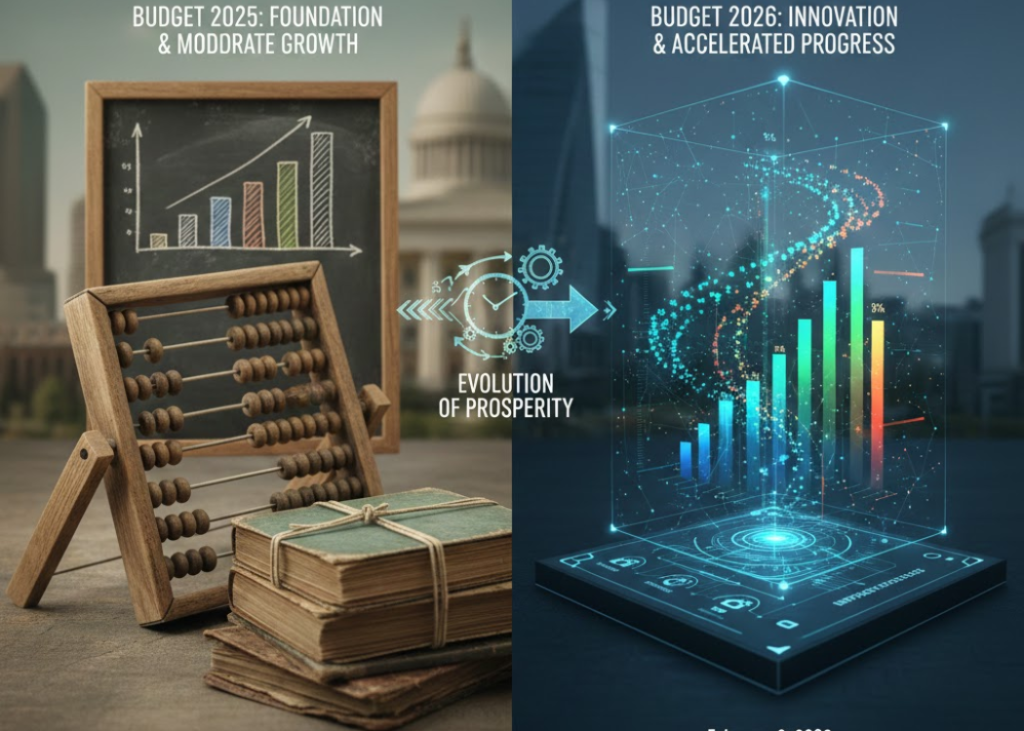
The Union Budget is India’s most important financial statement, outlining government priorities, spending plans, taxation policy, and structural reforms. The Budget 2026–27, presented and passed in Parliament on 1 February 2026, builds on the framework of Union Budget 2025–26 and sets new targets for growth, fiscal discipline, and sectoral development. In this article, we compare the Union Budget 2026 vs Budget 2025 highlights how India’s fiscal strategy is evolving from broad-based support to targeted, technology-driven growth. 1. Fiscal Targets & Expenditure Budget 2025–26 Budget 2026–27 Interpretation:The government is increasing spending to boost economic growth while maintaining fiscal responsibility. This balance is essential for long-term stability. 2. Taxation & Compliance Budget 2025 Highlights Budget 2026 Changes Impact: 3. Infrastructure & Transport Budget 2025 Budget 2026 Effect: 4. Defence & Security Budget 2025 Budget 2026 Significance: 5. Agriculture & Rural Development Budget 2025 Budget 2026 Effect: 6. Healthcare Budget 2025 Budget 2026 Impact: 7. Education & Skill Development Budget 2025 Budget 2026 Effect: 8. MSMEs, Industry & Services Budget 2025 Budget 2026 Impact: 9. Energy, Environment & Technology Budget 2025 Budget 2026 Effect: 10. Social Welfare & Inclusive Growth Budget 2025 Budget 2026 Impact: Comparison Table: Budget 2025 Vs 2026 (Sector Wise) Sector Budget 2025–26 Budget 2026–27 Fiscal Deficit 4.4% of GDP 4.3% of GDP Total Expenditure ₹50.65 lakh crore ₹53.5 lakh crore Capital Expenditure ₹11.21 lakh crore ₹12.2 lakh crore Defence ₹4.91 lakh crore ₹5.94–7.84 lakh crore Transport & Infrastructure Major roads & rail funding ₹5.98 lakh crore + high-speed rail & waterways Agriculture & Rural ₹1.71 lakh crore ₹1.62 lakh crore + ₹95,692 crore VB‑GRAM Healthcare ₹98,311 crore ₹1.06 lakh crore + mental health & cancer focus Education & Skills ₹1.28 lakh crore AVGC labs, National Institutes of Design, STEM & girls’ hostels MSMEs & Industry Credit support & digital push ₹10,000 crore growth fund, exports & electronics support Energy & Technology Renewable, urban projects Battery storage, semiconductors, green tech Social Welfare Urban & rural schemes Expanded employment, housing, women-focused programs Read This For detailed information :- Indian Union budget 2026: Key Highlights Of All Sectors. Conclusion This Union Budget 2025 vs 2026 comparison shows India’s shift from broad fiscal support toward targeted, sector-driven growth. While Budget 2025 focused on general relief measures, infrastructure expansion, and welfare support, Budget 2026 takes a more strategic approach, emphasizing technology adoption, skill development, and inclusive growth. Key highlights include record capital expenditure, stronger allocations for healthcare and education, enhanced support for MSMEs and rural development, and a clear push for green energy and modern infrastructure. Overall, Budget 2026 reflects a balanced approach, combining economic growth, fiscal prudence, and social welfare, setting the stage for a resilient and competitive India in the years ahead.
Indian Union budget 2026: Key Highlights Of All Sectors.

The Indian Union Budget 2026–27, presented and passed on 1 February 2026, sets the economic direction for India at a time of steady growth and global uncertainty. Budget 2026 focuses on long-term development through infrastructure expansion, simplified taxation, manufacturing growth, and targeted support for key sectors.The budget balances fiscal discipline with development needs, aiming to strengthen domestic demand, boost employment, and attract sustained private investment. India’s nominal GDP for FY27 is estimated at ₹354 lakh crore, providing the base for fiscal planning. 1) Economic Priorities and Fiscal Strategy Focus on Growth with Fiscal Discipline Budget 2026 continues the government’s approach of supporting economic growth while keeping public finances under control. The total government expenditure has been set at ₹53.47 lakh crore, reflecting a strategic expansion in development and social expenditure. This includes substantial outlays for infrastructure, rural development, and human capital formation. The budgetary framework emphasises sustained growth while containing pressures on inflation, pushing for structural reforms that bolster investment and enhance productivity. Higher Capital Expenditure for Long-Term Returns Capital expenditure has been increased to ₹12.2 lakh crore, the highest ever aimed at supporting infrastructure projects with high economic multipliers. This includes transport, logistics, water resources, digital infrastructure, and urban development. Key focus areas include: Gradual Reduction in Fiscal Deficit The fiscal deficit target for FY27 has been projected at 4.3% of GDP, improving from FY26’s estimate of 4.4%. This reflects a cautious yet proactive fiscal consolidation pathway while supporting growth. Borrowing strategies are structured to increase capital expenditure while moderating revenue deficits, with a focus on long-term investment. 2) Taxation and Compliance Changes Implementation of the New Income Tax Act Budget 2026 formally brings into effect a simplified Income Tax Act, effective from April 2026. This aims to reduce the number of sections and procedural complexity, increase digital compliance, and substantially reduce litigation. The new framework consolidates and rationalises over 536 provisions into a more transparent structure. Relief for Overseas Education and Medical Expenses Tax Collected at Source (TCS) on remittances for foreign education and medical expenses has been reduced to 2%, down from the previous 5%, easing liquidity for families and students. Changes Affecting Financial Markets 3) Infrastructure and Capital Investment Expansion of Road and Rail Networks Massive infrastructure spends continue: High-Speed Rail and Water Transport Seven new high-speed rail corridors have been announced to strengthen regional connectivity and promote city-to-city economic integration.Operationalisation of 20 new national waterways and coastal cargo promotion schemes aim to boost multimodal freight movement and cut logistics costs. Urban Infrastructure and Metro Projects Urban development receives substantial funding for metro expansions in Tier-2 and Tier-3 cities, sanitation, water supply, housing and smart city upgrades to improve livability and future job creation. 4) Manufacturing and Industrial Growth Boost to Electronics and Semiconductor Manufacturing The Budget strengthens strategic electronics and semiconductor programmes: Support for Strategic and Heavy Industries Dedicated funds for container manufacturing (₹10,000 crore) as well as chemical parks and industrial clusters aim to reduce imports and improve export competitiveness. Industrial Infrastructure & Clusters Incentives for logistics zones, corporate participation in industrial parks, and risk guarantee funds are designed to attract ₹6–8 lakh crore in private investment over the next five years. 5) MSME and Startup Support Creation of MSME Growth Fund A ₹10,000 crore SME Growth Fund has been set up to develop high-potential small and medium enterprises into global champions with equity support. Improved Credit and Compliance Support Support for Startups and Innovation An additional ₹2,000 crore top-up to the Self-Reliant India Fund supports risk capital for startups, particularly in deep tech and manufacturing innovation. 6) Agriculture and Rural Economy Strengthening Farm Infrastructure Agriculture and allied sectors have been allocated around ₹1.62 lakh crore, supporting irrigation, rural roads, soil health and market linkages, aiming to diversify rural incomes. Support for Storage and Supply Chains Cold storages and warehousing infrastructure receive increased allocations to reduce post-harvest losses and ensure better farm price realisation, enhancing food security and farmer incomes. Focus on Sustainable and Digital Farming Natural farming programmes, water-conservation initiatives and expanded digital platforms are being scaled across hundreds of districts to improve resilience and yield forecasting. 7) Healthcare and Social Welfare Expansion of Healthcare Infrastructure Healthcare spending rises to ₹1,06,530 crore, with focused expansions in medical colleges, diagnostic networks, hospital capacity, and rural health infrastructure. Investment in Biopharma and Research The Biopharma Shakti initiative with ₹10,000 crore over five years focuses on vaccines, biosimilars and advanced therapies with global export potential. Continued Social Welfare Support Comprehensive funding for pensions, housing support, nutrition programmes and women-focused schemes remains robust, supporting inclusion and economic security. 8) Education, Skills, and Employment Strengthening Education Infrastructure Education sector expenditure is now around ₹1.39 lakh crore, supporting digital classrooms, higher education expansion, research funding, and skill enhancement initiatives. Key initiatives include linking education with employment opportunities, establishing new design and research institutions, developing university townships near industrial corridors, and building gender-inclusive infrastructure. Skill Development for Future Jobs Skill development outlays have increased significantly (₹22,000+ crore), training youth in logistics, advanced manufacturing, AI/technology and green jobs. Support for Youth and Innovation Innovation hubs, AVGC labs in schools and expanded R&D funding support entrepreneurial culture and high-value job creation. 9) Defence and Strategic Spending Increased Defence Allocation Defence spending has increased to approximately ₹7.85 lakh crore, an uplift to modernise forces, boost equipment procurement, and build technological edge. Significant capital outlay (₹2.19 lakh crore) supports aircraft, naval assets and domestic production under ‘Make in India’ defence policies. Push for Domestic Defence Manufacturing 10) Technology, Digital Economy, and Innovation Support for Advanced Technologies Advanced technology research in AI, semiconductors, aerospace, and deep tech receives dedicated funding (₹18,000+ crore), strengthening India’s position in future industries. Expansion of Digital Public Infrastructure Digital public platforms receive ₹15,000 crore to enhance governance efficiency, financial inclusion and service delivery across rural and urban regions. Budget 2025 vs Budget 2026 Comparison Category Budget 2025 Budget 2026 Total Expenditure ₹48.2 lakh crore ₹53.47 lakh crore Capital Expenditure ₹10.96 lakh crore ₹12.2 lakh crore Fiscal Deficit 4.4% of
Top 10 Budget-Friendly Summer Destinations for 2026

Planning an affordable vacation becomes much easier when you choose destinations that naturally keep costs low without limiting experiences. The destinations listed below offer a strong mix of culture, scenery, food, and accessibility, making them practical choices for summer travel in 2026. This guide is curated for budget-conscious travelers who want real value. It focuses on destinations where daily expenses stay reasonable, travel logistics are simple, and experiences feel authentic rather than tourist-driven. Who Should Choose These Budget Friendly Destinations Ideal for Budget-Conscious Travelers These destinations are well suited for travelers who want to manage expenses without sacrificing comfort or experiences. Accommodation, food, and local transport remain affordable across most regions mentioned in this list. Suitable for Families, Couples, and Solo Travelers Each destination offers flexible travel styles. Families can find safe and convenient stays, couples can enjoy scenic and cultural experiences, and solo travelers benefit from good connectivity and traveler-friendly infrastructure. Safety, accessibility, and ease of movement were key factors during selection. Why These Are the Best Budget Friendly Destinations for Summer Affordable Daily Travel Costs All destinations featured here offer low average daily expenses, including meals, local transport, and accommodation. This makes it easier to plan longer trips without stretching your budget. Comfortable Summer Weather Conditions These destinations experience manageable summer climates or offer cooler regions, coastal areas, or hill stations. This ensures travel remains enjoyable even during peak summer months. Tourist-Friendly Infrastructure Reliable public transport, affordable stays, and accessible attractions make these destinations convenient for international and first-time travelers. Top 10 Budget Friendly Destinations for Summer Travel in 2026 1) Vietnam Destination Overview Vietnam is a culturally rich Southeast Asian country shaped by centuries of history and strong local traditions. It offers a balance of lively cities, quiet rural landscapes, and scenic coastlines. Travelers can explore historic neighborhoods, local markets, and natural landmarks without high costs, making Vietnam one of the most reliable affordable travel destinations. Why Vietnam Is Budget Friendly Vietnam’s low cost of living keeps travel expenses reasonable. Budget hotels, hostels, and homestays are widely available, while street food and local restaurants provide quality meals at very low prices. Buses and trains connect major cities efficiently and affordably. Best Time to Visit Vietnam in Summer From May to August, northern and central Vietnam remain suitable for travel despite occasional rainfall. Summer is also an off-peak season for international tourism, which helps keep accommodation prices lower Key Attractions Hanoi Old Quarter, Ha Long Bay, and the historic town of Hoi An. 2) Sri Lanka Destination Overview Sri Lanka is a compact island nation in South Asia known for its cultural heritage, wildlife, hill regions, and beaches. Its small size allows travelers to experience varied landscapes within short travel times, keeping transport costs low. Why Sri Lanka Is Budget Friendly Guesthouses, homestays, and budget hotels are available throughout the country. Public buses and trains are inexpensive and connect most tourist destinations. Local food is affordable and widely accessible. Best Time to Visit in Summer From April to August, the eastern coast and hill regions offer favorable weather conditions, making summer travel both comfortable and economical. Key Attractions Ella, Sigiriya, and Mirissa. 3) Nepal Destination Overview Nepal is known for its Himalayan scenery, spiritual heritage, and adventure tourism. It attracts travelers looking for meaningful experiences such as cultural exploration, nature walks, and meditation retreats. Why Nepal Is Budget Friendly Accommodation, food, and local transport remain affordable across most cities. Budget guesthouses and local eateries cater specifically to long-stay and low-cost travelers. Best Time to Visit in Summer From May to August, lower-altitude regions remain accessible and cost-effective. While high-altitude trekking is limited, cultural sightseeing and nature experiences continue year-round. Key Attractions Kathmandu Valley, Pokhara, and the Annapurna region. 4) Indonesia Destination Overview Indonesia offers tropical landscapes, volcanic terrain, and deeply rooted traditions. Bali and Lombok are especially popular for affordable beach-focused trips that also include cultural experiences. Why Indonesia Is Budget Friendly Budget guesthouses, local eateries, and low-cost transport options help keep daily expenses manageable. Even popular tourist areas offer affordable alternatives with basic planning. Best Time to Visit Indonesia in Summer April to September is the dry season, making it ideal for sightseeing, beaches, and outdoor activities. Key Attractions Ubud, Nusa Penida, and Lombok’s quieter beaches. Read This for more clarification :- Top 10 Summer Destinations for an Unforgettable Vacation. 5) Georgia – An Emerging Budget Friendly Destination Between Europe and Asia Destination Overview Georgia sits between Europe and Asia and is known for historic towns, mountain landscapes, and strong food and wine traditions. Limited mass tourism helps maintain affordability and authenticity. Why Georgia Is Budget Friendly Accommodation, meals, and transport remain inexpensive. Visa-free entry for many nationalities further reduces overall travel costs.. Best Time to Visit Georgia in Summer June to September offers pleasant weather for city exploration and mountain travel. Key Attractions Tbilisi Old Town, Kazbegi, and Batumi. 6) Turkey Destination Overview Turkey blends ancient history with modern culture across a wide and diverse landscape. Travelers can experience historic cities, coastal regions, and unique natural formations in a single trip. Why Turkey Is Budget Friendly Local food, accommodation, and public transport offer strong value for money. Travelers can enjoy varied experiences without needing a high daily budget. Best Time to Visit Turkey in Summer May to September is suitable for cultural sightseeing and coastal travel, particularly along the Mediterranean coast. Key Attractions Istanbul, Cappadocia, and Antalya. 7) Romania Destination Overview Romania offers medieval towns, folklore, and scenic countryside at a slower pace than Western Europe. It is ideal for travelers seeking cultural depth without high costs.. Why Romania Is Budget Friendly Accommodation and food costs remain lower than most European destinations, especially outside major tourist zones Best Time to Visit Romania in Summer June to August provides warm weather for sightseeing and outdoor activities. Key Attractions Transylvania, Brasov, and Bucharest. 8) Philippines Destination Overview The Philippines is known for its beaches, marine life, and welcoming local culture. With thousands of islands, it offers diverse
Yoga Benefits for Mental Health: Reducing Stress, Anxiety, and Depression

Mental health challenges have become part of everyday life for millions of people. Long working hours, digital overload, social pressure, and constant uncertainty often leave little space for rest or emotional balance. While medication and therapy play an essential role for many, there is growing interest in natural, supportive practices that help people manage their mental well-being in daily life. Yoga has quietly remained one of the most trusted practices in this space. Rooted in ancient tradition and increasingly supported by modern research, yoga offers practical tools to calm the mind, regulate emotions, and strengthen the connection between body and awareness. The yoga benefits for mental health are not abstract ideas; they are experienced through consistent practice, breath control, and mindful movement. Understanding Mental Health in the Modern World Mental health is not limited to the absence of illness. It reflects how we cope with stress, relate to others, and handle everyday responsibilities. Stress, anxiety, and depression exist on a spectrum, ranging from mild and temporary to chronic and overwhelming. While modern treatments focus on symptom management, many people seek practices that also address underlying patterns.how the body reacts to pressure, how the breath changes under emotional strain, and how attention moves when the mind feels unsettled. This is where yoga fits naturally into mental health care. Yoga Benefits for Stress Reduction Stress is often the first reason people turn to yoga, especially when daily pressures begin to affect sleep, concentration, or physical comfort. Unlike short-term relaxation methods that offer temporary relief, yoga works on stress at multiple levels by addressing how the body, breath, and mind respond to pressure. Over time, this layered approach helps reduce not only stress symptoms but also the body’s tendency to remain in a constant state of tension. 1) Physical Release of Tension Stress commonly settles into the body as tight muscles, particularly around the neck, shoulders, hips, and lower back. These areas often hold unconscious tension caused by prolonged sitting, emotional strain, or mental overload. Yoga postures gently stretch and relax these muscle groups, improving circulation and reducing stiffness. As the body begins to release stored tension, the brain receives signals that it is safe to relax, which naturally lowers stress levels. 2) Breath Awareness Shallow and rapid breathing is a frequent response to stress, even when people are not aware of it. Yoga places strong emphasis on conscious breathing, helping practitioners slow down and deepen each breath. Techniques such as diaphragmatic breathing and longer exhalations activate the body’s relaxation response, calming the nervous system and reducing stress almost immediately. With regular practice, breathing becomes more balanced even outside yoga sessions, making it easier to stay calm during stressful situations. 3) Mental Reset Stress often keeps the mind locked in repetitive thinking, worry, or mental multitasking. Mindful movement in yoga brings attention back to physical sensations and breath, creating a natural pause from constant mental activity. This shift allows the mind to reset without force or distraction. Over time, this ability to step out of mental overload becomes one of the most practical yoga benefits for managing stress in daily life. With consistent practice, yoga trains the body and mind to recover more quickly from stress, preventing prolonged periods of tension and mental fatigue. Yoga Benefits for Anxiety Relief Anxiety is closely connected to an overactive nervous system that remains alert even when there is no immediate danger. This state can lead to restlessness, racing thoughts, and physical discomfort. Yoga directly addresses these patterns by helping regulate breathing, improve body awareness, and reduce mental overstimulation. 1) Regulating the Breath Breathing techniques used in yoga play a central role in calming anxiety. Practices such as alternate nostril breathing and slow, rhythmic breathing help stabilize heart rate and improve oxygen flow. These techniques signal the nervous system to shift out of fight-or-flight mode, reducing feelings of panic, unease, and physical agitation. Over time, controlled breathing becomes a reliable tool for managing anxious moments. 2) Grounding the Body Anxiety often causes people to feel disconnected from their bodies or mentally scattered. Standing poses and slow, deliberate transitions help bring attention back to physical balance and stability. This grounding effect creates a sense of safety and presence, counteracting anxious restlessness. Feeling physically steady often leads to a calmer mental state as well. 3) Reducing Mental Overload Yoga encourages observing thoughts without reacting to them, which is especially helpful for anxiety driven by constant worry. Instead of trying to suppress anxious thoughts, yoga teaches awareness and acceptance. This shift reduces the intensity and frequency of mental looping, making anxiety feel more manageable rather than overwhelming. For individuals experiencing mild to moderate anxiety, yoga becomes a supportive daily practice that strengthens emotional resilience and improves the ability to cope with stress over time. Read This :- Why Yoga is the Key to a More Balanced and Peaceful Life Yoga Benefits for Depression Support Depression often affects both emotional and physical energy, making even simple movement feel difficult. Feelings of withdrawal, low motivation, and mental heaviness are common. Yoga offers a gentle and non-judgmental way to reintroduce movement, awareness, and structure without overwhelming the body or mind. 1) Stimulating Mood-Regulating Chemicals Research suggests that consistent yoga practice can support the production of serotonin and dopamine, chemicals that play a role in mood regulation. Gentle movement combined with mindful breathing helps improve circulation and nervous system function, which can contribute to a gradual improvement in emotional balance. 2) Restoring Routine Depression often disrupts daily structure, making days feel unorganized or emotionally flat. Practicing yoga at the same time each day creates a sense of routine and predictability. This structure provides a small but meaningful anchor, helping individuals regain a sense of control and stability in their daily lives. 3) Encouraging Self-Compassion Unlike high-intensity workouts that may increase pressure or self-criticism, yoga encourages listening to the body’s needs. Practitioners are guided to move at their own pace, rest when necessary, and respect physical and emotional limits. This compassionate approach helps reduce
Interior Design Trends Inspired By Natural Materials

Interior design trends are constantly evolving, but the growing focus on natural materials marks a meaningful shift rather than a passing style. Today’s interiors are moving away from artificial finishes and toward materials that feel real, textured, and connected to nature. Wood, stone, clay, and natural fabrics are now central to modern home design because they create spaces that feel calm, balanced, and timeless. This change reflects how people want their homes to function not just as visually appealing spaces, but as environments that support comfort, well-being, and long-term value. Natural materials have become a defining feature of contemporary interior design trends for this very reason. The Growing Trends of Authentic Materials in Interiors Design One of the most noticeable interior design trends is the return to materials in their most authentic form. Instead of glossy surfaces and synthetic textures, designers are choosing materials that show their natural grain, variation, and imperfections. These details add character and depth, making interiors feel lived-in rather than staged. Natural materials also age well. Over time, wood develops patina, stone gains character, and natural fabrics soften, enhancing the overall look of a space rather than diminishing it. 1) Use of Wood in Contemporary Interior Design Wood remains one of the most versatile materials in interior design. From solid wood furniture and flooring to wall paneling and ceiling beams, it adds warmth and structure to any space. Popular choices include oak, teak, walnut, and reclaimed wood, each offering a unique tone and texture. In current interior design trends, wood is often left minimally finished. This approach highlights the natural grain while maintaining durability, making wood suitable for both modern and traditional interiors. Examples:Open living rooms frequently feature oak or walnut wooden floors paired with neutral walls, creating a warm yet uncluttered atmosphere. Reclaimed wood is often used for dining tables, shelves, or feature walls, adding character and a sense of history to interior spaces. Wooden ceiling beams and slatted wood partitions are increasingly incorporated into modern homes to define areas without closing them off visually. 2) Stone and Earth-Based Materials in Interior Spaces Stone has moved beyond luxury accents and is now a practical choice in everyday interiors. Materials such as marble, granite, limestone, slate, and terrazzo are used for countertops, flooring, accent walls, and bathrooms. Natural stone brings strength and permanence to interior spaces. Its organic patterns ensure that no two surfaces look alike, which adds individuality to homes while reinforcing the connection to nature. Examples:Marble or granite countertops are commonly used in kitchens because they offer long-lasting durability while enhancing visual appeal. Limestone and slate flooring are often selected for entryways and bathrooms due to their textured and slip-resistant surfaces. Terrazzo is also returning to modern interiors, appearing in floors, staircases, and furniture surfaces as a balanced blend of tradition and contemporary design. 3) Natural Textures and Organic Wall Finishes Wall treatments are playing a more expressive role in modern interiors. Clay plaster, lime plaster, and mineral-based finishes introduce soft texture and subtle movement to walls. These finishes reflect light gently and add visual interest without overwhelming the space. Beyond aesthetics, natural wall finishes are valued for their breathable properties. They help regulate indoor humidity and contribute to healthier living environments, aligning with eco-friendly interior design principles. Examples:Living room feature walls finished with lime plaster create depth while maintaining a calm and understated look. Clay plaster is increasingly used in bedrooms to enhance comfort and promote a relaxed atmosphere. Hallways and staircases benefit from mineral-based wall finishes that add texture and character without relying on bold colors or decorative elements. 4) Earthy Colors and Nature-Inspired Palettes Color choices in natural interiors are inspired by landscapes found in nature. Shades like beige, sand, terracotta, clay, olive green, and muted grey are widely used because they feel grounding and timeless. These earthy tones complement natural materials effortlessly and create a sense of visual continuity throughout the home. Unlike bold trend-driven colors, they remain relevant across changing interior design trends. Examples:Beige and sand tones are commonly used in living areas to enhance natural light and make spaces feel more open and inviting. Terracotta and clay shades are often introduced through accent walls, tiles, or décor elements to add warmth without overpowering the space. Olive green and muted grey are frequently used in bedrooms and study areas to create a calm and balanced environment. 5) Clay Materials That Add Depth and Timeless Appeal Clay materials are gaining renewed attention in interior design trends. Terracotta, lime plaster, and handmade ceramic surfaces are being used not only for floors but also for walls, countertops, and decorative accents. Clay-based materials introduce softness and subtle color variations. These surfaces reflect light gently and make spaces feel grounded and calm. Their durability and timeless appearance also make them a long-term design choice rather than a passing trend. Examples:Terracotta tiles are widely used in kitchens, balconies, and indoor-outdoor transition areas because they add natural warmth and texture. Lime plaster walls in soft clay tones are commonly seen in living and dining spaces, where they provide visual depth without heavy decoration. Handmade ceramic tiles and pottery are often incorporated as backsplash accents or decorative elements to introduce artisanal detail. 6) Textiles That Feel Natural and Comfortable Soft furnishings play a subtle yet important role in interiors inspired by natural materials. Linen, cotton, wool, jute, and silk are preferred over synthetic fabrics because they breathe better, age gracefully, and feel comfortable in everyday use. Layering natural fabrics through curtains, rugs, cushions, and upholstery adds warmth without overwhelming the space. Texture becomes more important than patterns, keeping the overall look simple and refined. Examples:Linen curtains are frequently used to filter natural light while maintaining privacy and softness within a room. Wool and jute rugs add texture and comfort to living rooms and bedrooms while grounding the overall design. Cotton and linen upholstery in neutral shades allows furniture to blend naturally with wood, stone, and clay elements. Why Natural Materials Matter in Interior Design Trends Why
15 Online Small Business Ideas That Can Scale Globally

The way people start and grow businesses has changed completely. Today, anyone with a laptop, internet connection, and a clear plan can build a profitable venture that serves customers worldwide. Online Small Business Ideas are no longer just side projects; they have become serious income sources and global brands. The key is choosing ideas that are scalable, flexible, and aligned with long-term demand. Why It Is Necessary to Start Online Small Business Ideas Today The global market has shifted toward digital solutions. Customers prefer online services, digital products, and remote support because they are faster, more accessible, and cost-effective. Starting an online business allows entrepreneurs to enter this growing market without heavy investment. Online businesses also reduce risk. There is no need for physical offices, large inventories, or location-based staffing. Instead, you can test ideas quickly, analyze performance, and refine your approach. Most importantly, Online Small Business Ideas provide the ability to scale beyond local boundaries, helping businesses grow steadily while adapting to global trends. Categories of Online Businesses That Can Scale Globally Scalable online businesses share one thing in common: they can grow without significantly increasing costs. Below are five categories that support global expansion and long-term sustainability. 1. Digital Services 2. Content & Education-Based Businesses 3. E-commerce & Product-Based Businesses 4. Technology & Software-Based Businesses 5. Marketing & Creative Businesses Each category offers unique advantages depending on skills, experience, and investment level. Online Small Business Ideas by Category 1: Digital Services 1. SEO Consulting Services In today’s digital-first economy, businesses rely heavily on search engines to attract customers. SEO consulting matters because organic visibility directly impacts sales, credibility, and long-term growth. As competition increases online, companies need expert guidance to stay visible. The strength of this business lies in its high demand and recurring revenue potential. SEO services evolve continuously, making long-term client relationships common. SEO consulting is useful for businesses that want sustainable traffic without relying entirely on paid ads.Target audience: Small businesses, startups, e-commerce brands, and service providers looking to grow online. 2. Website Development & Maintenance Websites act as the digital storefront for modern businesses. In today’s era, a poorly designed or slow website can drive customers away instantly. This business matters because every brand needs a reliable and user-friendly online presence. Its strength comes from the combination of one-time development fees and recurring maintenance income. As technology changes, clients often need updates and security improvements. This service helps businesses maintain performance, security, and user experience.Target audience: Small businesses, entrepreneurs, agencies, and online brands. 3. Virtual Assistant Services As remote work becomes common, businesses seek support without hiring full-time staff. Virtual assistant services matter because they help companies save time and reduce operational costs. The strength of this model is flexibility and scalability. Services can expand from basic admin tasks to specialized roles. Virtual assistants help business owners focus on growth rather than daily operations.Target audience: Entrepreneurs, coaches, e-commerce sellers, and executives. 2: Content & Education-Based Businesses 4. Online Course Creation Knowledge has become one of the most valuable digital assets. Online courses matter because people prefer learning skills at their own pace, from anywhere in the world. The biggest strength of this business is scalability. Once created, courses can be sold repeatedly without additional production costs. Online courses help individuals upgrade skills, change careers, or grow businesses.Target audience: Students, professionals, freelancers, and business owners. 5. Niche Blogging with Monetization People trust detailed and experience-based content more than advertisements. Niche blogging matters because it builds authority and long-term organic traffic. Its strength lies in multiple income streams such as ads, affiliates, and product sales. Blogs help readers solve specific problems and make informed decisions.Target audience: Consumers searching for solutions, reviews, or educational content. 6. Digital Coaching or Consulting Modern professionals value personalized guidance. Digital coaching matters because people want direct solutions tailored to their goals. The strength of this business is trust-based relationships and premium pricing opportunities. Coaching helps individuals achieve personal, career, or business growth faster.Target audience: Professionals, entrepreneurs, job seekers, and personal development learners. 3: E-commerce & Product-Based Businesses 7. Dropshipping Business Online shopping has become a daily habit. Dropshipping matters because it allows sellers to offer products globally without managing inventory. Its strength is low upfront investment and easy scalability. This model helps customers access a wide range of products conveniently.Target audience: Online shoppers and niche-focused buyers. 8. Print-on-Demand Store Customization is a major trend. Print-on-demand matters because customers prefer personalized products. The strength of this business is zero inventory risk and trend-based adaptability. It allows consumers to express individuality through customized items.Target audience: Gift buyers, fashion enthusiasts, and creative communities. 9. Digital Product Store Digital consumption is increasing rapidly. Digital products matter because they provide instant access and long-term value. The strength of this business is high profit margins and automation. Digital products help users save time and improve productivity.Target audience: Professionals, students, creators, and business owners. 4: Technology & Software-Based Businesses 10. SaaS-Based Business Solutions Businesses depend on software for efficiency. SaaS matters because it offers cost-effective, cloud-based solutions. Its strength lies in recurring revenue and global scalability. SaaS tools help businesses automate tasks and improve operations.Target audience: Startups, enterprises, and remote teams. 11. Mobile App Development Smartphones dominate digital usage. Mobile apps matter because users prefer fast and convenient solutions. The strength of this business is massive reach and user engagement. Apps help users manage tasks, entertainment, and daily needs.Target audience: Smartphone users across industries and age groups. 12. No-Code Tool Services Many businesses want tech solutions without complexity. No-code services matter because they reduce dependency on developers. The strength of this model is speed and affordability. No-code tools help businesses launch faster and operate efficiently.Target audience: Small businesses, startups, and non-technical founders. 5: Marketing & Creative Businesses 13. Social Media Marketing Agency Social platforms influence buying decisions. Social media marketing matters because brands need visibility and engagement. The strength lies in measurable results and repeat business. Agencies help businesses build trust and reach new audiences.Target audience: Brands,