
Modern life moves fast, and finding time to cook 15-minute healthy meals often feels unrealistic. Between long work hours, constant notifications, family responsibilities, and commuting, cooking can seem like an extra burden rather than a daily habit. Many people fall into a cycle of skipping meals, ordering takeout, or relying on packaged food simply because it saves time.
While these choices may feel convenient, they slowly take a toll. Poor nutrition affects energy levels, concentration, digestion, mood, and even sleep quality. Over time, this imbalance can impact productivity and overall health.
The idea that healthy eating requires hours in the kitchen is outdated. With smart planning and simple ingredients, 15-minute healthy meals can support a balanced lifestyle without adding pressure. These meals are realistic, repeatable, and designed for real schedules, not ideal ones.
Why 15-Minute Healthy Meals Matter More Than Ever in 2026
Work and lifestyle patterns have shifted globally. Remote and hybrid jobs have increased screen time, reduced movement, and blurred the lines between work and personal life. As a result, people are paying closer attention to how food affects their energy, focus, and digestion throughout the day.
Quick meals help bridge the gap between health goals and daily reality. When meals are easy to prepare, people are more likely to eat consistently rather than skipping meals or relying on convenience food. This consistency plays a bigger role in long-term health than occasional “perfect” eating days.
In 2026, nutrition is no longer just about weight management. It is about mental clarity, gut health, immunity, and sustainable habits. Fast, balanced meals fit naturally into this shift.
What People Expect From Quick Healthy Meals Today
Search behavior shows a clear change in expectations. People are no longer satisfied with vague recipe ideas. They want:
- Meals that genuinely take 10 to 15 minutes from start to finish
- Clear nutritional balance, not just low calories
- Options that fit different eating preferences such as vegetarian, vegan, high-protein, or lighter meals
- Ingredients that are easy to find across different countries
Practicality matters more than presentation. Readers want meals that work on busy weekdays, not just on relaxed weekends.
The Nutritional Framework Behind 15-Minute Meals
What Makes a 15- Minute Healthy Meals Balanced
A balanced meal does not require complex calculations. It simply needs the right combination of nutrients:
- Protein supports muscle repair, stabilizes blood sugar, and reduces cravings
- Complex carbohydrates provide steady energy instead of quick spikes
- Healthy fats improve satiety and support brain function
- Fiber aids digestion and supports gut health
Quick meals work best when each component plays a clear role rather than relying heavily on one nutrient.
Portion Control Without Counting Calories
Calorie tracking is not practical for everyone. A visual approach works better for most people. Filling half the plate with vegetables, a quarter with protein, and a quarter with whole grains naturally balances intake without stress.
This method works across cuisines and cultures, making it suitable for a global audience.
7 Easy 15-Minute Healthy Meal Ideas
Quick meals work best when they are nutritionally balanced, easy to repeat, and adaptable to different lifestyles. The following options focus on whole ingredients, minimal prep, and steady energy rather than quick fixes.
1) Protein-Packed Veggie Wrap
This meal brings together whole grains, fresh vegetables, and a reliable protein source in a format that travels well and stays satisfying for hours. Using a whole wheat or grain-based wrap adds fiber, while fillings such as hummus, yogurt, tofu, or lean meat provide protein and healthy fats.
Best for: Long workdays, commuting professionals, and meals on the move
Why it works: Fiber slows digestion, while protein helps stabilize blood sugar levels, reducing afternoon fatigue and unnecessary snacking.
Additional benefit: Easy to customize based on dietary preferences and available ingredients.
2) One-Pan Chickpea Stir-Fry
This dish uses chickpeas as the main protein source, combined with vegetables that cook quickly in a single pan. It requires minimal cleanup and offers a strong balance of plant-based protein and fiber.
Best for: Plant-based diets, light dinners, and digestive comfort
Why it works: Chickpeas are rich in fiber, which promotes fullness and supports gut health, while vegetables provide essential micronutrients.
Additional benefit: Works well with frozen vegetables, making it practical year-round.
3) Oats and Banana Smoothie Bowl
Blending oats with fruit and healthy fats creates a meal that is quick to prepare and easy to digest. Unlike sugary breakfast options, this bowl offers sustained energy without sharp spikes or crashes.
Best for: Busy mornings and early work schedules
Why it works: Oats support gut health and long-lasting energy, while bananas and berries provide natural sweetness and antioxidants.
Additional benefit: Can be prepared in advance and adjusted for higher protein needs.
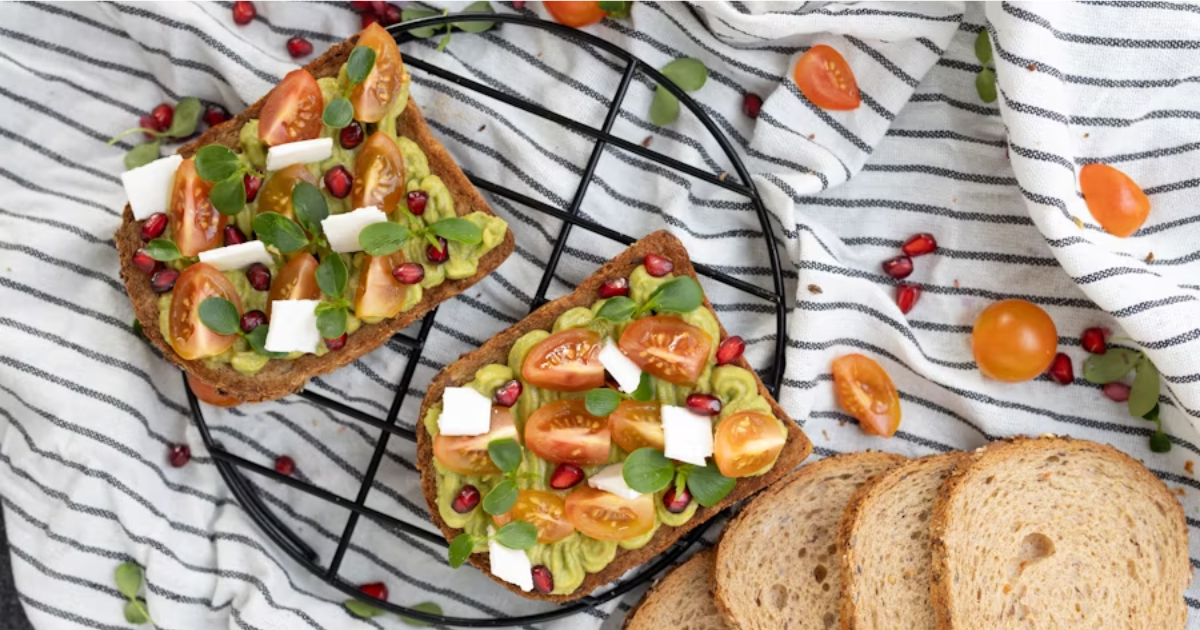
4) Egg and Avocado Toast
This simple combination delivers a strong balance of protein, healthy fats, and complex carbohydrates. It works equally well for breakfast or a light meal later in the day.
Best for: Quick breakfasts, post-work meals, or light dinners
Why it works: Eggs provide high-quality protein, while avocado contributes healthy fats that improve satiety without heaviness.
Additional benefit: Keeps hunger steady and supports focus during long work hours.
5) Quick Pasta Primavera
Whole grain pasta paired with vegetables offers comfort and nourishment without excess calories or processed ingredients. Cooking vegetables alongside pasta keeps preparation time low.
Best for: High-energy days and active schedules
Why it works: Complex carbohydrates supply sustained fuel, while vegetables add vitamins and minerals.
Additional benefit: Easily scaled for families or meal prep.
6) Instant Tofu Scramble
This plant-based alternative to scrambled eggs is quick to cook and versatile. Tofu absorbs flavors well and pairs easily with vegetables and spices.
Best for: Vegan meals, light dinners, or protein-focused breakfasts
Why it works: Tofu provides easily digestible protein while remaining light on the stomach.
Additional benefit: Supports muscle recovery and satiety without heaviness.
7) Greek Yogurt Parfait
Layered Greek yogurt with fruit, seeds, and granola creates a meal that feels light yet filling. It works well as a meal replacement or structured snack.
Best for: Gut health, light eating, and mid-day meals
Why it works: Protein and probiotics support digestion and stable energy levels.
Additional benefit: Quick assembly and no cooking required.
15-Minute Home-Cooked Meals vs Fast Food
Nutrition Comparison
Home-cooked meals typically contain fewer preservatives, lower sodium levels, and higher fiber content. They allow better control over portion size, cooking methods, and ingredient quality. Over time, this leads to improved digestion, more consistent energy, and reduced reliance on highly processed foods.
Fast food may save minutes, but it often lacks balance and contributes to energy crashes later in the day.
Cost and Long-Term Impact
Preparing quick meals at home is generally more affordable over time. Beyond financial savings, regular home cooking supports better eating habits, improved concentration, and long-term health outcomes. Small daily choices can significantly reduce lifestyle-related health risks.
Healthy Swaps That Improve Nutrition Without Extra Time
Replacing refined ingredients with whole alternatives increases nutrient density without extending cooking time. Over weeks and months, these small adjustments lead to noticeable improvements in energy, digestion, and overall health.
Consistency matters more than complexity.
Practical Tips to Stay Consistent With Quick Meals
Prep Once, Eat All Week
Batch-prepping ingredients such as vegetables, grains, and proteins reduces daily effort. Even short preparation sessions can remove stress from weekday cooking and make healthy choices easier.
Tools That Speed Up Cooking in 2026
Modern kitchen tools continue to make home cooking more efficient. Air fryers, high-speed blenders, and quality non-stick cookware shorten cooking time and simplify cleanup, making quick meals more appealing and sustainable.
Trend-Based Meal Upgrades for 2026
High-Protein Additions
Adding seeds, legumes, yogurt, or lean protein boosts satiety and supports muscle health without changing recipes significantly. This approach aligns with current nutrition trends focused on protein balance rather than extremes.
Indian Pantry Options for Global Kitchens
Ingredients such as paneer, lentils, and millets are increasingly used worldwide. They offer nutritional value, versatility, and quick cooking times, making them ideal for modern, global kitchens.
Final Thoughts:15- minute Healthy Meals Eating Fits Even the Busiest Weeks
15- minute Healthy meals eating does not require perfection or strict routines. It requires consistency and realistic choices. Quick meals remove common barriers such as time pressure and decision fatigue.
By focusing on balance, simplicity, and repeatable habits, 15-minute healthy meals support long-term energy, focus, and well-being. Small, thoughtful decisions made daily often create the strongest results over time.