
Yoga Benefits for Mental Health: Reducing Stress, Anxiety, and Depression

Mental health challenges have become part of everyday life for millions of people. Long working hours, digital overload, social pressure, and constant uncertainty often leave little space for rest or emotional balance. While medication and therapy play an essential role for many, there is growing interest in natural, supportive practices that help people manage their mental well-being in daily life. Yoga has quietly remained one of the most trusted practices in this space. Rooted in ancient tradition and increasingly supported by modern research, yoga offers practical tools to calm the mind, regulate emotions, and strengthen the connection between body and awareness. The yoga benefits for mental health are not abstract ideas; they are experienced through consistent practice, breath control, and mindful movement. Understanding Mental Health in the Modern World Mental health is not limited to the absence of illness. It reflects how we cope with stress, relate to others, and handle everyday responsibilities. Stress, anxiety, and depression exist on a spectrum, ranging from mild and temporary to chronic and overwhelming. While modern treatments focus on symptom management, many people seek practices that also address underlying patterns.how the body reacts to pressure, how the breath changes under emotional strain, and how attention moves when the mind feels unsettled. This is where yoga fits naturally into mental health care. Yoga Benefits for Stress Reduction Stress is often the first reason people turn to yoga, especially when daily pressures begin to affect sleep, concentration, or physical comfort. Unlike short-term relaxation methods that offer temporary relief, yoga works on stress at multiple levels by addressing how the body, breath, and mind respond to pressure. Over time, this layered approach helps reduce not only stress symptoms but also the body’s tendency to remain in a constant state of tension. 1) Physical Release of Tension Stress commonly settles into the body as tight muscles, particularly around the neck, shoulders, hips, and lower back. These areas often hold unconscious tension caused by prolonged sitting, emotional strain, or mental overload. Yoga postures gently stretch and relax these muscle groups, improving circulation and reducing stiffness. As the body begins to release stored tension, the brain receives signals that it is safe to relax, which naturally lowers stress levels. 2) Breath Awareness Shallow and rapid breathing is a frequent response to stress, even when people are not aware of it. Yoga places strong emphasis on conscious breathing, helping practitioners slow down and deepen each breath. Techniques such as diaphragmatic breathing and longer exhalations activate the body’s relaxation response, calming the nervous system and reducing stress almost immediately. With regular practice, breathing becomes more balanced even outside yoga sessions, making it easier to stay calm during stressful situations. 3) Mental Reset Stress often keeps the mind locked in repetitive thinking, worry, or mental multitasking. Mindful movement in yoga brings attention back to physical sensations and breath, creating a natural pause from constant mental activity. This shift allows the mind to reset without force or distraction. Over time, this ability to step out of mental overload becomes one of the most practical yoga benefits for managing stress in daily life. With consistent practice, yoga trains the body and mind to recover more quickly from stress, preventing prolonged periods of tension and mental fatigue. Yoga Benefits for Anxiety Relief Anxiety is closely connected to an overactive nervous system that remains alert even when there is no immediate danger. This state can lead to restlessness, racing thoughts, and physical discomfort. Yoga directly addresses these patterns by helping regulate breathing, improve body awareness, and reduce mental overstimulation. 1) Regulating the Breath Breathing techniques used in yoga play a central role in calming anxiety. Practices such as alternate nostril breathing and slow, rhythmic breathing help stabilize heart rate and improve oxygen flow. These techniques signal the nervous system to shift out of fight-or-flight mode, reducing feelings of panic, unease, and physical agitation. Over time, controlled breathing becomes a reliable tool for managing anxious moments. 2) Grounding the Body Anxiety often causes people to feel disconnected from their bodies or mentally scattered. Standing poses and slow, deliberate transitions help bring attention back to physical balance and stability. This grounding effect creates a sense of safety and presence, counteracting anxious restlessness. Feeling physically steady often leads to a calmer mental state as well. 3) Reducing Mental Overload Yoga encourages observing thoughts without reacting to them, which is especially helpful for anxiety driven by constant worry. Instead of trying to suppress anxious thoughts, yoga teaches awareness and acceptance. This shift reduces the intensity and frequency of mental looping, making anxiety feel more manageable rather than overwhelming. For individuals experiencing mild to moderate anxiety, yoga becomes a supportive daily practice that strengthens emotional resilience and improves the ability to cope with stress over time. Read This :- Why Yoga is the Key to a More Balanced and Peaceful Life Yoga Benefits for Depression Support Depression often affects both emotional and physical energy, making even simple movement feel difficult. Feelings of withdrawal, low motivation, and mental heaviness are common. Yoga offers a gentle and non-judgmental way to reintroduce movement, awareness, and structure without overwhelming the body or mind. 1) Stimulating Mood-Regulating Chemicals Research suggests that consistent yoga practice can support the production of serotonin and dopamine, chemicals that play a role in mood regulation. Gentle movement combined with mindful breathing helps improve circulation and nervous system function, which can contribute to a gradual improvement in emotional balance. 2) Restoring Routine Depression often disrupts daily structure, making days feel unorganized or emotionally flat. Practicing yoga at the same time each day creates a sense of routine and predictability. This structure provides a small but meaningful anchor, helping individuals regain a sense of control and stability in their daily lives. 3) Encouraging Self-Compassion Unlike high-intensity workouts that may increase pressure or self-criticism, yoga encourages listening to the body’s needs. Practitioners are guided to move at their own pace, rest when necessary, and respect physical and emotional limits. This compassionate approach helps reduce
Why Yoga is the Key to a More Balanced and Peaceful Life
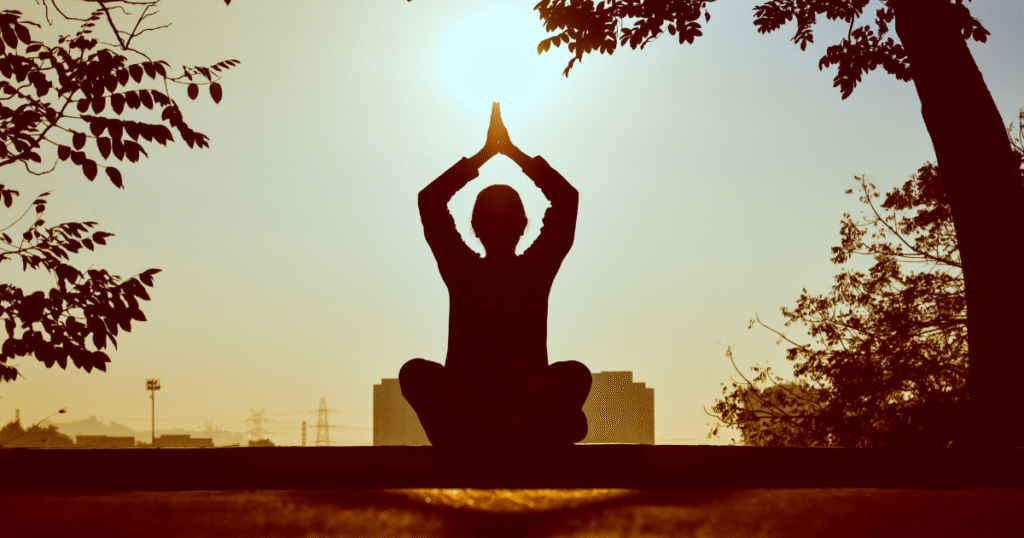
Why Yoga is the Key to a Balanced and Peaceful Life is a question many people are asking as stress, anxiety, and burnout become part of everyday living. Yoga is not simply a form of physical exercise; it is a holistic practice that nurtures the body, mind, and inner self. In today’s fast-paced, digitally driven world, yoga has evolved into one of the most effective tools for managing stress, improving mental health, and restoring balance. In 2026, yoga is no longer seen only as a fitness trend. It has become a core part of modern wellness routines, especially among younger generations seeking mindfulness, emotional stability, and sustainable health habits. From mindfulness yoga and yoga for stress relief to scientifically supported mental health benefits, yoga continues to prove its relevance in everyday life. The Mind-Body Connection in Yoga One of the most powerful aspects of yoga is its ability to create a deep connection between the mind and body. Through physical postures (asanas), breath regulation (pranayama), and meditation, yoga aligns physical movement with mental awareness. This connection encourages presence and self-awareness, helping individuals become more conscious of their thoughts, emotions, and physical sensations. Practicing mindfulness yoga allows you to slow down, regulate your breathing, and focus on the present moment. Over time, this leads to better emotional control, improved concentration, and a calmer approach to daily challenges. Yoga and Mental Health: 2026 Research Recent studies continue to strengthen the link between yoga and mental well-being. A 2025 global mental health survey by international wellness research groups found that people who practiced yoga at least three times a week reported: Neuroscience-based research in 2025 also suggests that yoga activates brain areas responsible for emotional balance, attention, and memory. By stimulating the parasympathetic nervous system, yoga naturally reduces cortisol levels and promotes relaxation without medication. Mental health professionals increasingly recommend yoga as a complementary practice for managing burnout, work-related stress, and digital fatigue. Read This:- Yoga Benefits for Mental Health: Reducing Stress, Anxiety, and Depression. Yoga’s Role in Reducing Stress and Anxiety Stress has become one of the biggest health challenges of this decade. Long work hours, constant notifications, financial pressure, and screen addiction have increased mental overload across all age groups. Yoga for stress relief works by calming the nervous system and regulating breathing patterns. Controlled breathing lowers heart rate and blood pressure, while gentle movements release physical tension stored in the body. Even a short daily yoga routine of 15 to 20 minutes can significantly reduce overthinking, restlessness, and emotional exhaustion. Spiritual Growth and Inner Peace Yoga also promotes inner peace by cultivating mindfulness, gratitude, and patience. It encourages individuals to disconnect from constant external stimulation and reconnect with their inner state. This spiritual aspect does not require religious beliefs. It simply focuses on awareness, acceptance, and personal growth. Many long-term practitioners view yoga as a life practice rather than a physical activity. Key Reasons Gen Z is Adopting Yoga in 2026 Gen Z is embracing yoga not just as a workout, but as a daily mental wellness practice. Below are the main reasons behind this growing trend: 1. Improving Focus and Attention Span With constant exposure to short-form content, notifications, and multitasking, many young people struggle with concentration. Yoga helps train the mind to stay present through breath awareness and mindful movement. Regular practice improves cognitive control, making it easier to focus on studies, work tasks, and long-term goals. 2. Managing Academic and Career Pressure Competitive education systems and uncertain job markets have increased stress levels among Gen Z. Yoga provides a healthy way to release mental pressure and prevent burnout. Simple breathing exercises and gentle flows help regulate stress responses and create emotional balance during demanding periods. 3. Reducing Social Anxiety Social media comparisons and performance pressure often lead to self-doubt and anxiety. Yoga encourages self-awareness and acceptance, helping individuals feel more grounded and confident. Over time, this reduces social anxiety and improves emotional resilience in real-life interactions. 4. Creating Digital Detox Habits Gen Z spends a significant amount of time on screens, which contributes to mental fatigue and disrupted sleep. Yoga offers a structured way to disconnect from digital overload. Practicing yoga without devices creates mental space, improves mindfulness, and restores attention span. 5. Supporting Emotional Well-Being Yoga helps individuals understand and regulate their emotions. Through breathing techniques and meditation, practitioners learn to observe their thoughts without judgment. This leads to better emotional stability, improved self-esteem, and a healthier relationship with stress. Emotional Well-Being and Mental Stability Yoga supports emotional health by creating space for reflection, self-awareness, and inner balance. Through mindful movement, controlled breathing, and meditation, yoga helps individuals develop a healthier relationship with their emotions. 1. Greater Emotional Control Yoga teaches you to observe your emotions without reacting immediately. By focusing on breath and body awareness, you learn to pause before responding to stressful situations. This improves emotional control and reduces impulsive reactions in daily life. 2. Increased Self-Compassion Regular yoga practice encourages kindness toward oneself. Instead of self-criticism, yoga promotes acceptance of personal limitations and emotional states. Over time, this builds self-compassion and a more positive self-image. 3. Reduced Mood Swings Breathing exercises and meditation help regulate the nervous system, which stabilizes emotional fluctuations. Yoga creates mental balance, making it easier to manage sudden mood changes and emotional triggers. 4. Improved Resilience to Stress Yoga strengthens emotional resilience by helping the mind adapt to pressure. With consistent practice, individuals become better equipped to handle stress, setbacks, and challenges without feeling overwhelmed. Real-World Wellness Insight Wellness experts and mental health professionals increasingly describe yoga as a preventive mental health practice rather than just a treatment method. Many corporate wellness programs in 2026 now include guided yoga sessions to reduce employee burnout and improve workplace focus. Yoga has shifted from being a niche practice to a mainstream tool for emotional resilience and mental balance. Conclusion: Yoga as the Path to Balance and Peace Yoga offers a complete approach to modern well-being. Whether your goal is yoga