
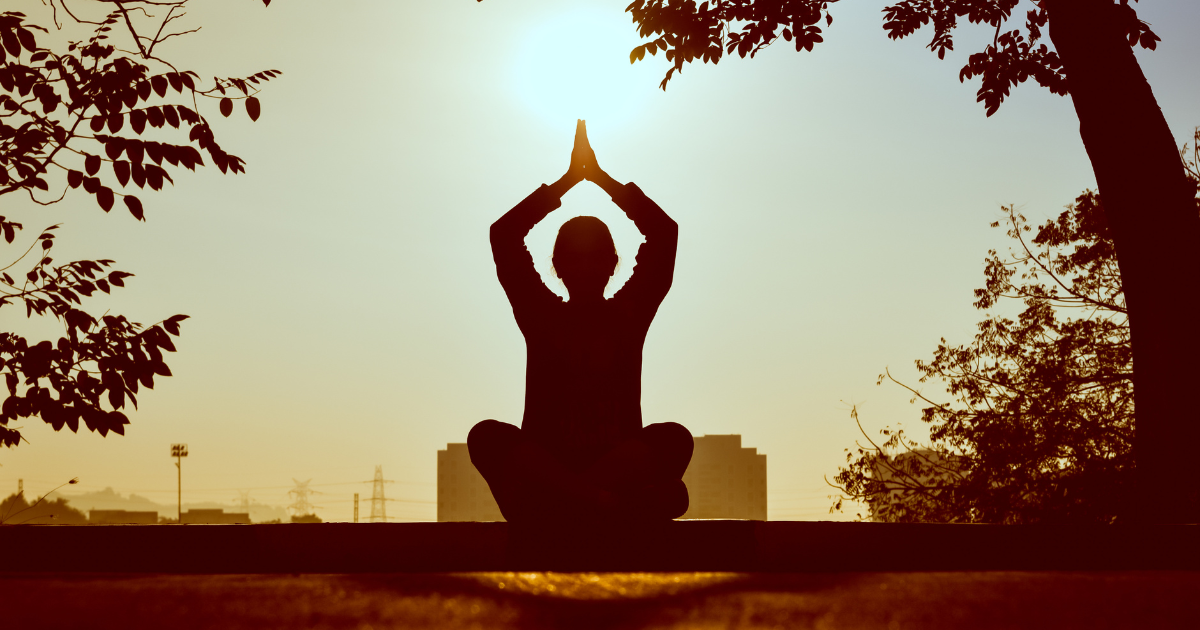
Why Yoga is the Key to a Balanced and Peaceful Life is a question many people are asking as stress, anxiety, and burnout become part of everyday living. Yoga is not simply a form of physical exercise; it is a holistic practice that nurtures the body, mind, and inner self. In today’s fast-paced, digitally driven world, yoga has evolved into one of the most effective tools for managing stress, improving mental health, and restoring balance.
In 2026, yoga is no longer seen only as a fitness trend. It has become a core part of modern wellness routines, especially among younger generations seeking mindfulness, emotional stability, and sustainable health habits. From mindfulness yoga and yoga for stress relief to scientifically supported mental health benefits, yoga continues to prove its relevance in everyday life.
The Mind-Body Connection in Yoga
One of the most powerful aspects of yoga is its ability to create a deep connection between the mind and body. Through physical postures (asanas), breath regulation (pranayama), and meditation, yoga aligns physical movement with mental awareness.
This connection encourages presence and self-awareness, helping individuals become more conscious of their thoughts, emotions, and physical sensations. Practicing mindfulness yoga allows you to slow down, regulate your breathing, and focus on the present moment. Over time, this leads to better emotional control, improved concentration, and a calmer approach to daily challenges.
Yoga and Mental Health: 2026 Research
Recent studies continue to strengthen the link between yoga and mental well-being. A 2025 global mental health survey by international wellness research groups found that people who practiced yoga at least three times a week reported:
- Lower perceived stress levels
- Reduced symptoms of anxiety and mild depression
- Improved emotional regulation
- Better sleep quality
Neuroscience-based research in 2025 also suggests that yoga activates brain areas responsible for emotional balance, attention, and memory. By stimulating the parasympathetic nervous system, yoga naturally reduces cortisol levels and promotes relaxation without medication.
Mental health professionals increasingly recommend yoga as a complementary practice for managing burnout, work-related stress, and digital fatigue.
Read This:- Yoga Benefits for Mental Health: Reducing Stress, Anxiety, and Depression.
Yoga’s Role in Reducing Stress and Anxiety
Stress has become one of the biggest health challenges of this decade. Long work hours, constant notifications, financial pressure, and screen addiction have increased mental overload across all age groups.
Yoga for stress relief works by calming the nervous system and regulating breathing patterns. Controlled breathing lowers heart rate and blood pressure, while gentle movements release physical tension stored in the body.
Even a short daily yoga routine of 15 to 20 minutes can significantly reduce overthinking, restlessness, and emotional exhaustion.
Spiritual Growth and Inner Peace
Yoga also promotes inner peace by cultivating mindfulness, gratitude, and patience. It encourages individuals to disconnect from constant external stimulation and reconnect with their inner state.
This spiritual aspect does not require religious beliefs. It simply focuses on awareness, acceptance, and personal growth. Many long-term practitioners view yoga as a life practice rather than a physical activity.
Key Reasons Gen Z is Adopting Yoga in 2026
Gen Z is embracing yoga not just as a workout, but as a daily mental wellness practice. Below are the main reasons behind this growing trend:
1. Improving Focus and Attention Span
With constant exposure to short-form content, notifications, and multitasking, many young people struggle with concentration. Yoga helps train the mind to stay present through breath awareness and mindful movement. Regular practice improves cognitive control, making it easier to focus on studies, work tasks, and long-term goals.
2. Managing Academic and Career Pressure
Competitive education systems and uncertain job markets have increased stress levels among Gen Z. Yoga provides a healthy way to release mental pressure and prevent burnout. Simple breathing exercises and gentle flows help regulate stress responses and create emotional balance during demanding periods.
3. Reducing Social Anxiety
Social media comparisons and performance pressure often lead to self-doubt and anxiety. Yoga encourages self-awareness and acceptance, helping individuals feel more grounded and confident. Over time, this reduces social anxiety and improves emotional resilience in real-life interactions.
4. Creating Digital Detox Habits
Gen Z spends a significant amount of time on screens, which contributes to mental fatigue and disrupted sleep. Yoga offers a structured way to disconnect from digital overload. Practicing yoga without devices creates mental space, improves mindfulness, and restores attention span.
5. Supporting Emotional Well-Being
Yoga helps individuals understand and regulate their emotions. Through breathing techniques and meditation, practitioners learn to observe their thoughts without judgment. This leads to better emotional stability, improved self-esteem, and a healthier relationship with stress.
Emotional Well-Being and Mental Stability
Yoga supports emotional health by creating space for reflection, self-awareness, and inner balance. Through mindful movement, controlled breathing, and meditation, yoga helps individuals develop a healthier relationship with their emotions.
1. Greater Emotional Control
Yoga teaches you to observe your emotions without reacting immediately. By focusing on breath and body awareness, you learn to pause before responding to stressful situations. This improves emotional control and reduces impulsive reactions in daily life.
2. Increased Self-Compassion
Regular yoga practice encourages kindness toward oneself. Instead of self-criticism, yoga promotes acceptance of personal limitations and emotional states. Over time, this builds self-compassion and a more positive self-image.
3. Reduced Mood Swings
Breathing exercises and meditation help regulate the nervous system, which stabilizes emotional fluctuations. Yoga creates mental balance, making it easier to manage sudden mood changes and emotional triggers.
4. Improved Resilience to Stress
Yoga strengthens emotional resilience by helping the mind adapt to pressure. With consistent practice, individuals become better equipped to handle stress, setbacks, and challenges without feeling overwhelmed.
Real-World Wellness Insight
Wellness experts and mental health professionals increasingly describe yoga as a preventive mental health practice rather than just a treatment method. Many corporate wellness programs in 2026 now include guided yoga sessions to reduce employee burnout and improve workplace focus.
Yoga has shifted from being a niche practice to a mainstream tool for emotional resilience and mental balance.
Conclusion: Yoga as the Path to Balance and Peace
Yoga offers a complete approach to modern well-being. Whether your goal is yoga for stress relief, improved mental clarity, emotional stability, or physical health, yoga provides practical tools for sustainable growth.
In a world filled with constant pressure and stimulation, yoga teaches the skill of slowing down, breathing deeply, and reconnecting with yourself. Practicing yoga regularly is not just about fitness. It is about building a balanced, mindful, and peaceful life.